
Are you wondering if your portable air conditioner needs to be recharged? It’s a common question, especially when your unit isn’t cooling as well as it used to.
You might notice the air isn’t as cold or the room stays warmer than you expect. Before you jump to conclusions, it’s important to understand how portable air conditioners work and whether they actually require recharging. You’ll learn the signs that your unit might need more refrigerant, simple checks you can do yourself, and when it’s time to call a professional.
Keep reading to make sure your portable AC keeps your space cool and comfortable all summer long.
You May Like – Best Portable Ac
No products found.
How Portable Acs Work
Understanding how portable air conditioners work helps in maintaining and using them correctly. These units cool indoor air by moving heat from inside to outside. A few key parts make this process possible. Knowing their roles clarifies why maintenance matters and if recharging is necessary.
Refrigerant Role
The refrigerant is a special fluid inside the AC. It absorbs heat from the indoor air. Then, it moves this heat outside the room. As the refrigerant changes from liquid to gas and back, it carries heat away. This cycle cools the air that the AC blows back inside.
Compressor Function
The compressor pumps the refrigerant through the system. It raises the refrigerant’s pressure and temperature. This change helps the refrigerant release heat outside. Without the compressor, the refrigerant cannot flow properly. The compressor is key to the cooling cycle working well.
Ventilation Importance
Ventilation removes hot air from the room. Portable ACs use an exhaust hose to push warm air outside. Proper venting prevents the room from heating up again. The hose should be straight and lead outdoors. Good ventilation keeps the AC efficient and the room cool.
Signs Refrigerant May Be Low
Low refrigerant in a portable air conditioner reduces its ability to cool. Recognizing the signs early helps avoid discomfort and costly repairs. Watch for changes in performance that indicate refrigerant levels might be dropping.
Reduced Cooling Efficiency
The air conditioner blows air that feels less cold than usual. It struggles to lower the room temperature. This drop in cooling power often means the refrigerant is running low. The unit works harder but cools less.
Rising Room Temperature
The room gets warmer despite the air conditioner running. It cannot maintain the set temperature. This steady rise in heat suggests a refrigerant problem. The AC cannot remove heat effectively without enough refrigerant.
Ice Buildup On Coils
Frost or ice forms on the cooling coils inside the unit. This ice blocks airflow and reduces cooling. Low refrigerant causes the coils to freeze because the pressure drops too low. Ice buildup signals a need for service or recharge.
Routine Maintenance Tips
Routine maintenance keeps your portable air conditioner running smoothly. Simple steps improve cooling and extend the unit’s life. Regular care prevents many common problems.
Cleaning Or Replacing Filters
Dirty filters block airflow and reduce cooling power. Clean the filter every two weeks or as the manual suggests. Replace it if damaged or very dirty. A clean filter helps your unit work efficiently and keeps air fresh.
Ensuring Proper Vent Hose Setup
The vent hose removes hot air from the room. Check that the hose is straight without bends or kinks. Make sure it vents outside, not into another room. A proper setup helps your air conditioner cool well and avoid overheating.
Sealing Room For Better Cooling
Seal doors and windows to keep cool air inside. Use weatherstripping or curtains to block warm air from entering. A well-sealed room helps the unit cool faster and reduces energy use.
When To Recharge Refrigerant
Knowing when to recharge the refrigerant in your portable air conditioner is important. The refrigerant helps cool the air by absorbing heat. Without enough refrigerant, the unit cannot cool effectively. Recognizing the signs of low refrigerant can save you from costly repairs and discomfort.
Identifying Refrigerant Leaks
One main reason to recharge refrigerant is a leak. Signs include reduced cooling power and longer running times. You may notice frost on the coils or strange hissing sounds. A drop in cooling performance often means the refrigerant level is low. Finding leaks early helps prevent damage to the unit.
Why Diy Charging Is Not Recommended
Adding refrigerant yourself can be risky. Portable AC units require precise refrigerant levels. Too much or too little harms the system. Handling refrigerants without training can cause injury or environmental harm. Professionals use special tools to measure and add the right amount safely.
Professional Recharge Process
Experts start by checking the unit for leaks. They recover any remaining refrigerant properly. Then, they vacuum the system to remove air and moisture. After that, they add the exact refrigerant amount needed. This ensures the AC runs efficiently and lasts longer.
Common Cooling Problems
Portable air conditioners can face several common cooling problems that affect their performance. Understanding these issues helps keep your unit running smoothly and your space comfortable. Below are some frequent causes of poor cooling in portable ACs.
Undersized Units
Using a portable air conditioner too small for your room limits cooling power. The unit works harder but cannot lower the temperature enough. This results in warm air and higher energy use. Always pick a unit sized for your room’s square footage.
Blocked Airflow
Blocked airflow reduces cooling efficiency. Dust, dirt, or a clogged filter can stop air from moving freely. The exhaust hose must be straight and vented outside. Keep the intake and exhaust vents clear of obstructions to maintain airflow.
Faulty Compressor Issues
The compressor pumps refrigerant to cool the air. If it fails, the unit cannot cool properly. Signs include strange noises or warm air blowing out. Compressor repairs require a professional technician to diagnose and fix the problem safely.

Credit: www.youtube.com
Troubleshooting Steps
Troubleshooting a portable air conditioner that is not cooling well requires simple checks. These steps help identify common issues before calling a technician. Follow these clear actions to improve your unit’s performance.
Checking Mode And Temperature Settings
Confirm the air conditioner is set to “Cool” mode. The temperature setting must be lower than the room temperature. If set incorrectly, the unit will not produce cold air. Double-check the remote or control panel for proper settings. Reset if needed and wait a few minutes for the unit to respond.
Listening For Compressor Operation
The compressor is the heart of your AC. It circulates refrigerant to cool the air. Listen closely after turning the unit on. You should hear a humming or buzzing sound from the compressor. Silence or clicking noises may indicate a fault. Compressor issues often require professional repair or recharge.
Defrosting Ice On Coils
Ice buildup on coils blocks airflow and cooling. This happens if the filter is dirty or airflow is restricted. Turn off the unit and let the ice melt naturally. Clean or replace the air filter before restarting. Proper airflow helps prevent future ice formation and keeps the AC working efficiently.
Maximizing Portable Ac Performance
Maximizing the performance of your portable air conditioner ensures cool air flows efficiently. Small steps can improve cooling and save energy. Proper care and setup help the unit work better and last longer.
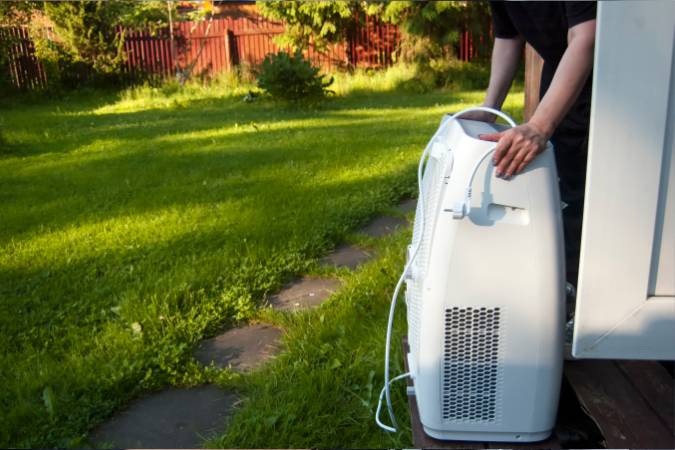
Proper Unit Placement
Place the portable AC near a window or vent for easy exhaust. Avoid tight corners or enclosed spaces that block airflow. Leave space around the unit so air can circulate freely. This helps the unit cool the room faster and prevents overheating.
Regular Filter Maintenance
Check the air filter often and clean it regularly. A dirty filter blocks airflow and lowers cooling power. Remove dust and debris by washing or replacing the filter. Keeping the filter clean helps the AC run smoothly and improves air quality.
Keeping Exhaust Hose Straight
Make sure the exhaust hose is straight and not bent or twisted. Kinks in the hose reduce hot air removal and lower cooling efficiency. Always vent the hose outside, not into other rooms. A clear hose helps the AC remove heat faster and cool your room better.
Credit: dellahome.com

Credit: www.rigidhvac.com
Frequently Asked Questions
How Do I Know If My Portable Air Conditioner Needs Freon?
Your portable air conditioner needs freon if it fails to cool, runs continuously, or shows ice buildup on coils. Consult a professional for refilling.
How Do I Make My Portable Air Conditioner Cold Again?
Ensure the exhaust hose vents outside without kinks. Clean or replace the filter regularly. Seal the room from heat. Set mode to “Cool” and temperature below room level. Defrost ice buildup by switching to “Fan Only. ” Call a pro if refrigerant or compressor issues persist.
How Much Does It Cost To Recharge A Portable Air Conditioner?
Recharging a portable air conditioner typically costs between $100 and $300. Prices vary by refrigerant type and service provider.
Do You Need To Add Refrigerant To A Portable Ac?
Portable AC units typically come pre-charged with refrigerant. You only need to add refrigerant if a leak occurs. Call a professional to check and refill refrigerant safely. Regular maintenance helps prevent refrigerant loss and keeps your unit cooling efficiently.
Conclusion
Portable air conditioners do not need regular recharging. They come sealed with refrigerant from the factory. If cooling weakens, it could mean a leak or mechanical issue. Only a professional can safely check and recharge refrigerant. Regular cleaning and proper setup keep your unit working well.
Follow basic care tips to avoid common problems. Stay cool by maintaining your portable AC properly.