
Are you worried about the safety of your portable air conditioner? You might be asking yourself, “Can portable air conditioners cause carbon monoxide poisoning?” It’s a serious question because carbon monoxide (CO) is a silent threat—odorless, colorless, and deadly if undetected.
While portable air conditioners are popular for keeping your space cool, it’s important to understand whether they pose any risk to your health. You’ll discover the facts about portable AC units and carbon monoxide, learn how to spot warning signs, and find out what steps you can take to keep your home safe.
Keep reading to protect yourself and your loved ones from hidden dangers you might not even know exist.
You May Like
No products found.
Credit: evapolar.com
Carbon Monoxide And Portable Acs
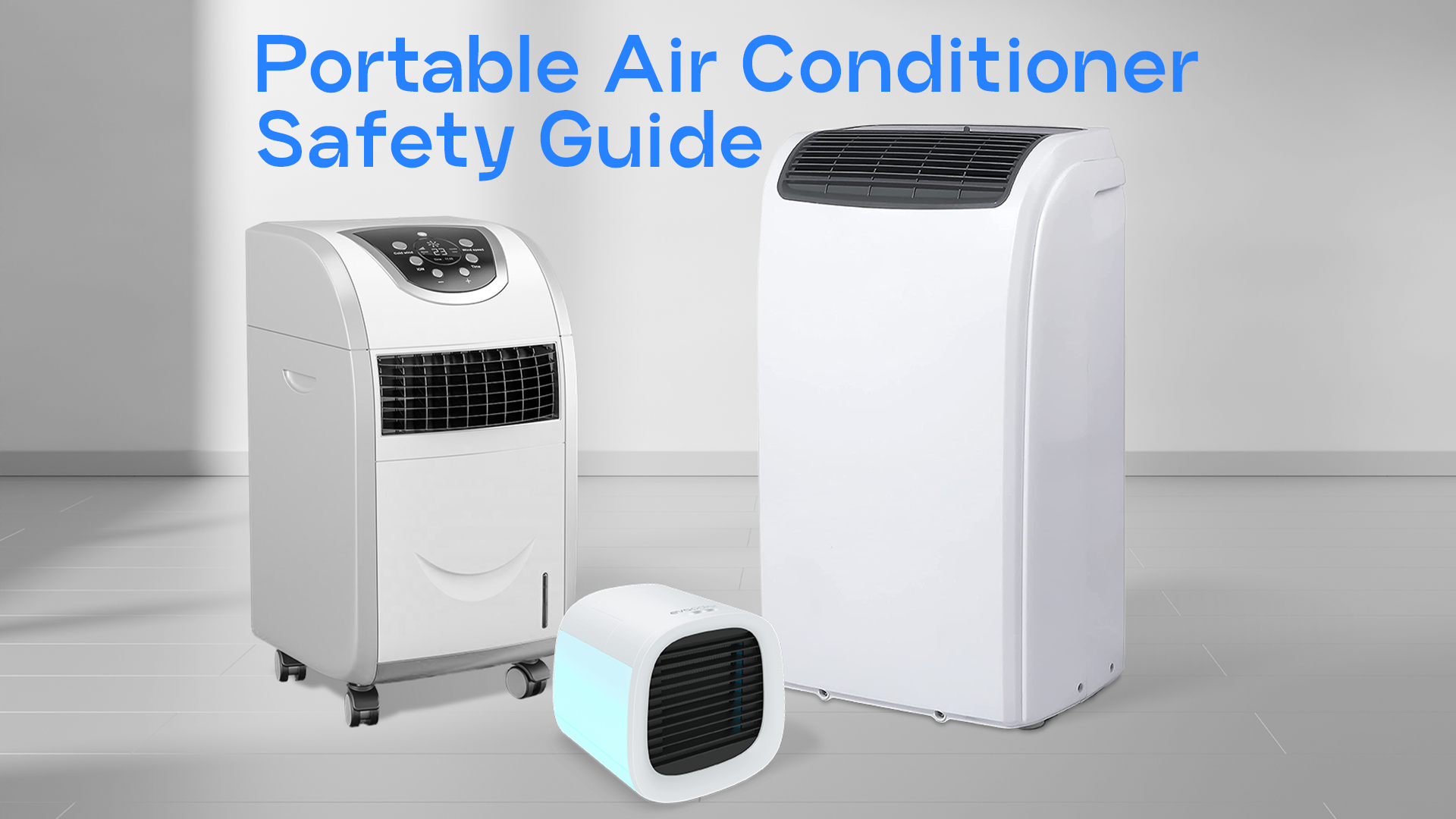
Portable air conditioners offer convenience and relief from heat. Concerns arise about their safety regarding carbon monoxide (CO). Understanding the relationship between portable ACs and carbon monoxide helps keep homes safe.
What Is Carbon Monoxide?
Carbon monoxide is a colorless, odorless gas. It forms when fuels like gas, wood, or coal burn without enough oxygen. This gas can be deadly in high amounts. People cannot see or smell carbon monoxide, making it very dangerous.
Breathing carbon monoxide stops oxygen from reaching the body’s organs. Symptoms include headaches, dizziness, and nausea. High exposure can cause unconsciousness or death. Carbon monoxide poisoning is a serious health risk.
Sources Of Carbon Monoxide In Homes
Common sources include gas stoves, fireplaces, and water heaters. Malfunctioning or poorly ventilated heating systems also release CO. Cars running in attached garages can let carbon monoxide enter the home.
Portable air conditioners do not burn fuel. They work by moving heat and do not produce carbon monoxide. Therefore, portable ACs themselves do not cause carbon monoxide poisoning. However, other fuel-burning devices nearby could pose a risk.
Portable Acs And Co Risks
Portable air conditioners are popular for cooling small spaces quickly. Many people wonder if these devices pose risks related to carbon monoxide (CO). Understanding how portable ACs work and their potential for producing CO helps clear up common concerns.
How Portable Acs Operate
Portable air conditioners use electricity to cool air. They pull warm air inside and pass it over cold coils. This process removes heat and moisture from the air. The cooled air is then blown back into the room. The heat and moisture are expelled outside through a vent hose.
Unlike gas-powered heaters or generators, portable ACs do not burn fuel. They rely on refrigerants and electricity to function. This design makes them safe for indoor use without producing harmful gases.
Can Portable Acs Produce Co?
Carbon monoxide is a dangerous gas created by burning fuels like gas, wood, or oil. Portable air conditioners do not have combustion engines or fuel-burning parts. They do not produce CO under normal conditions.
CO risks usually come from gas heaters, stoves, or blocked chimneys. Since portable ACs run on electricity, they do not emit carbon monoxide. Using a portable AC will not cause CO poisoning.
Still, ensure the vent hose is properly installed. A blocked or damaged vent can cause overheating or other hazards, but not CO production. Regular maintenance keeps the unit running safely and efficiently.
Symptoms Of Co Exposure
Carbon monoxide (CO) is a dangerous gas that can cause serious health problems. It is colorless and odorless, making it hard to detect. Knowing the symptoms of CO exposure helps protect you and your family from harm. Early signs often mimic common illnesses but require immediate attention.
Common Health Signs
Headaches are one of the first symptoms of carbon monoxide exposure. You may also feel dizzy or weak without a clear reason. Nausea and vomiting can occur suddenly and without warning. Some people experience confusion or difficulty concentrating. Fatigue or feeling unusually tired is common, even after rest. These symptoms often increase with continued exposure to CO gas.
Visual And Environmental Clues
Look for unusual signs near your portable air conditioner or heating unit. Sooty or dark stains around the appliance may indicate a leak. The pilot light might burn yellow instead of blue, which is a warning sign. Excess moisture or condensation near the unit can also signal a problem. If you notice these clues, turn off the device and ventilate the area immediately. Always install a carbon monoxide detector to alert you early.

Credit: www.gibbonheating.com
Detecting Co Leaks
Detecting carbon monoxide (CO) leaks is critical for safety when using any appliance, including portable air conditioners. CO is a silent threat because it has no smell, color, or taste. This makes early detection difficult without proper tools and knowledge.
Recognizing signs and using detectors can prevent serious health problems. Understanding how to detect CO leaks helps protect you and your family. Below are key points about the role of CO detectors and how to identify hidden signs of a leak.
Role Of Co Detectors
CO detectors are devices designed to sense carbon monoxide levels in the air. They alert you with a loud alarm if dangerous amounts of CO build up. Installing detectors near portable air conditioners and sleeping areas improves safety.
Modern CO detectors are affordable and easy to use. They need regular battery checks and testing to ensure they work properly. Without a detector, CO leaks can go unnoticed until symptoms appear.
Identifying Hidden Signs
Some signs of CO leaks are subtle but important. Symptoms include headaches, dizziness, nausea, and fatigue. These often worsen when near the air conditioner and improve when away from it.
Look for unusual smells or stains near the unit. Yellow or flickering pilot lights and excess moisture or soot can indicate a problem. These clues, combined with symptoms, suggest a possible CO leak.
Immediate Actions For Co Exposure
Carbon monoxide (CO) exposure demands quick and clear action. This poisonous gas can cause serious health issues or death. Acting immediately can save lives and reduce harm. Follow these steps if you suspect CO exposure in your home.
Evacuation Steps
Leave the area right away. Move everyone outside to fresh air. Avoid stopping to gather belongings. Do not use elevators in large buildings. Stay low if you encounter smoke or fumes. Call emergency services from outside the house. Wait for professionals to declare the area safe.
Medical Assistance
Seek medical help immediately for anyone exposed. Carbon monoxide can cause headaches, dizziness, and confusion. Even mild symptoms need evaluation. Inform doctors about the possible CO exposure. They may provide oxygen therapy to remove CO from the blood. Follow all medical advice carefully for a full recovery.
Professional Hvac Inspection
Have a certified technician inspect your HVAC system. Portable air conditioners rarely produce CO but connected heating units might. Check for leaks, blockages, or faulty parts. Regular maintenance reduces CO risks. Replace or repair damaged equipment promptly. Ensure proper ventilation around all appliances. A professional inspection keeps your home safe.

Credit: www.ducting.com
Maintaining Portable Acs Safely
Maintaining portable air conditioners safely is key to preventing health risks. Proper care keeps the unit efficient and reduces dangers like poor air quality. Safe use extends the life of your portable AC and protects your home environment.
Simple steps in cleaning and ventilation help avoid problems. These actions also lower the chance of carbon monoxide buildup or other hazards. Follow clear guidelines to keep your portable AC running smoothly and safely.
Regular Cleaning And Filter Care
Clean your portable AC regularly. Dust and dirt block airflow and reduce cooling power. Remove and wash filters every few weeks. Replace filters if they look worn out or damaged.
Keep the unit free from mold and bacteria. Wipe down surfaces with a damp cloth. This stops germs from spreading in the air you breathe. A clean AC keeps indoor air fresh and safe.
Proper Ventilation Practices
Always use the exhaust hose to vent hot air outside. This prevents heat and moisture from building up indoors. Avoid blocking the vent with furniture or curtains.
Do not use portable ACs in small, sealed rooms. Fresh air must flow in and out to avoid stale air. Open a window or door slightly for air exchange. Proper ventilation reduces risks of harmful gases accumulating.
Preventing Co Issues At Home
Preventing carbon monoxide (CO) issues at home is vital for safety. Portable air conditioners do not produce CO. Yet, other household appliances might. Knowing how to protect your family from CO dangers matters. Simple steps can reduce risks and keep air clean indoors.
Installing Co Detectors
Place carbon monoxide detectors on every floor of your home. Install them near sleeping areas for early warnings at night. Test detectors monthly to ensure they work properly. Replace batteries at least once a year or as needed. Detectors alert you before CO levels become dangerous. This early warning can save lives and prevent illness.
Annual Hvac Tune-ups
Schedule yearly inspections for your heating and cooling systems. Professionals check for leaks and faulty parts that cause CO buildup. Regular tune-ups improve system efficiency and reduce carbon monoxide risks. Clean filters and vents to keep air flowing well. Proper maintenance keeps your home safe and your appliances running smoothly.
Myths Vs Facts
Many people worry about carbon monoxide poisoning from portable air conditioners. There are many myths and facts about this topic. Knowing the truth helps you use your AC safely and without fear.
Common Misconceptions
Some think portable air conditioners produce carbon monoxide. This is false. Portable ACs use electricity, not fuel, so they do not emit carbon monoxide.
Others believe that running AC units can cause dangerous gas leaks. Portable air conditioners do not burn gas or fuel, so no carbon monoxide is created.
People sometimes confuse gas heaters with air conditioners. Gas heaters can produce carbon monoxide if not vented properly. Portable air conditioners are different and do not have this risk.
Expert Insights
Experts confirm portable air conditioners do not cause carbon monoxide poisoning. They explain these units cool air using electricity and refrigerants, not combustion.
Technicians stress the importance of maintaining and cleaning portable ACs. Dirty filters and blocked vents affect air quality but do not cause carbon monoxide leaks.
Carbon monoxide comes from burning fuel, such as gas, oil, or wood. Portable air conditioners have no combustion parts, so carbon monoxide risk is zero.
Frequently Asked Questions
Is It Safe To Sleep In A Room With A Portable Air Conditioner?
Sleeping in a room with a portable air conditioner is generally safe. Ensure proper ventilation and regular filter cleaning to avoid dry air and breathing issues.
Can A Portable Ac Unit Make You Sick?
A portable AC can cause sickness if not cleaned regularly. Dirty filters spread dust, pollen, and allergens, affecting indoor air quality. Proper maintenance prevents breathing issues and skin dryness.
Is It Okay To Leave A Portable Air Conditioner On All The Time?
Yes, you can leave a portable air conditioner on continuously. Most units cycle off when reaching set temperatures, saving energy and protecting the device. Ensure regular maintenance to avoid airflow issues and keep it running efficiently.
How Do You Know If Your Ac Is Leaking Carbon Monoxide?
Signs of an AC carbon monoxide leak include headaches, dizziness, nausea, fatigue, sooty stains, yellow pilot light, and excess moisture. A carbon monoxide detector alarm is the most reliable warning. Evacuate immediately, seek medical help, and call an HVAC professional if you suspect a leak.
Conclusion
Portable air conditioners do not produce carbon monoxide. They run on electricity, so they do not emit harmful gases like gas-powered heaters. Still, proper ventilation remains important to keep air fresh. Regular cleaning prevents dust buildup and keeps air quality good.
Always follow the manufacturer’s safety instructions carefully. Using a carbon monoxide detector in your home adds extra safety. Stay alert to any unusual smells or symptoms like headaches or dizziness. Safe use ensures comfort without health risks. Stay cool and breathe easy with the right precautions.