
Are you tired of sweating through your RV trips? Finding the right RV air conditioner can make all the difference in staying cool and comfortable on the road.
Whether you’re camping in the Texas heat or exploring new destinations, your RV deserves a reliable, efficient cooling system. In this guide, you’ll discover top RV air conditioners for sale, tips to choose the best unit for your needs, and where to find great deals near Austin, Texas.
Keep reading to make your next adventure refreshingly cool and hassle-free!
You May Like
No products found.
Best Rv Air Conditioner Deals
Finding the best RV air conditioner deals helps keep your travels cool and comfortable. Affordable prices and quality brands matter most. Great deals save money and deliver reliable cooling for your RV adventures.
Top Brands And Prices
Popular RV air conditioner brands include Dometic, Furrion, and RecPro. Prices range from $500 to over $1,400. Dometic models often offer advanced features and energy efficiency. Furrion units are known for quiet operation and durability. RecPro provides budget-friendly options without sacrificing quality. Choose a brand that fits your budget and cooling needs.
Discounts And Free Delivery Offers
Many sellers offer discounts up to 40% on select models. Free delivery is common for online orders, adding extra savings. Seasonal sales and clearance events provide lower prices. Check for bundle deals that include installation kits or remote controls. These offers reduce overall costs and make upgrading easier.
Where To Buy In Austin, Texas
Austin has several trusted RV dealers and parts stores. Ron Hoover RV and A.R.V.C. LLC offer a wide selection of air conditioners. Local stores provide expert advice and installation services. Buying locally ensures faster support and easy returns. Visit stores in Georgetown, Cedar Creek, and Buda for the best options near Austin.
Credit: achostudio.com
Types Of Rv Air Conditioners
Choosing the right air conditioner for your RV is essential for comfort. Different types fit various needs and budgets. Understanding these types helps you decide which works best.
Each type offers unique benefits and installation options. Some are built into your RV, while others are portable. Let’s explore the main types of RV air conditioners available.
Roof-mounted Units
Roof-mounted units are the most common choice for RVs. They attach to the roof and cool the entire space efficiently. These units save floor space inside your RV. Installation requires cutting a hole in the roof. They run on your RV’s power system, usually 120 volts. Many models come with built-in fans and thermostats. Roof-mounted air conditioners provide strong cooling for hot days.
Portable Air Conditioners
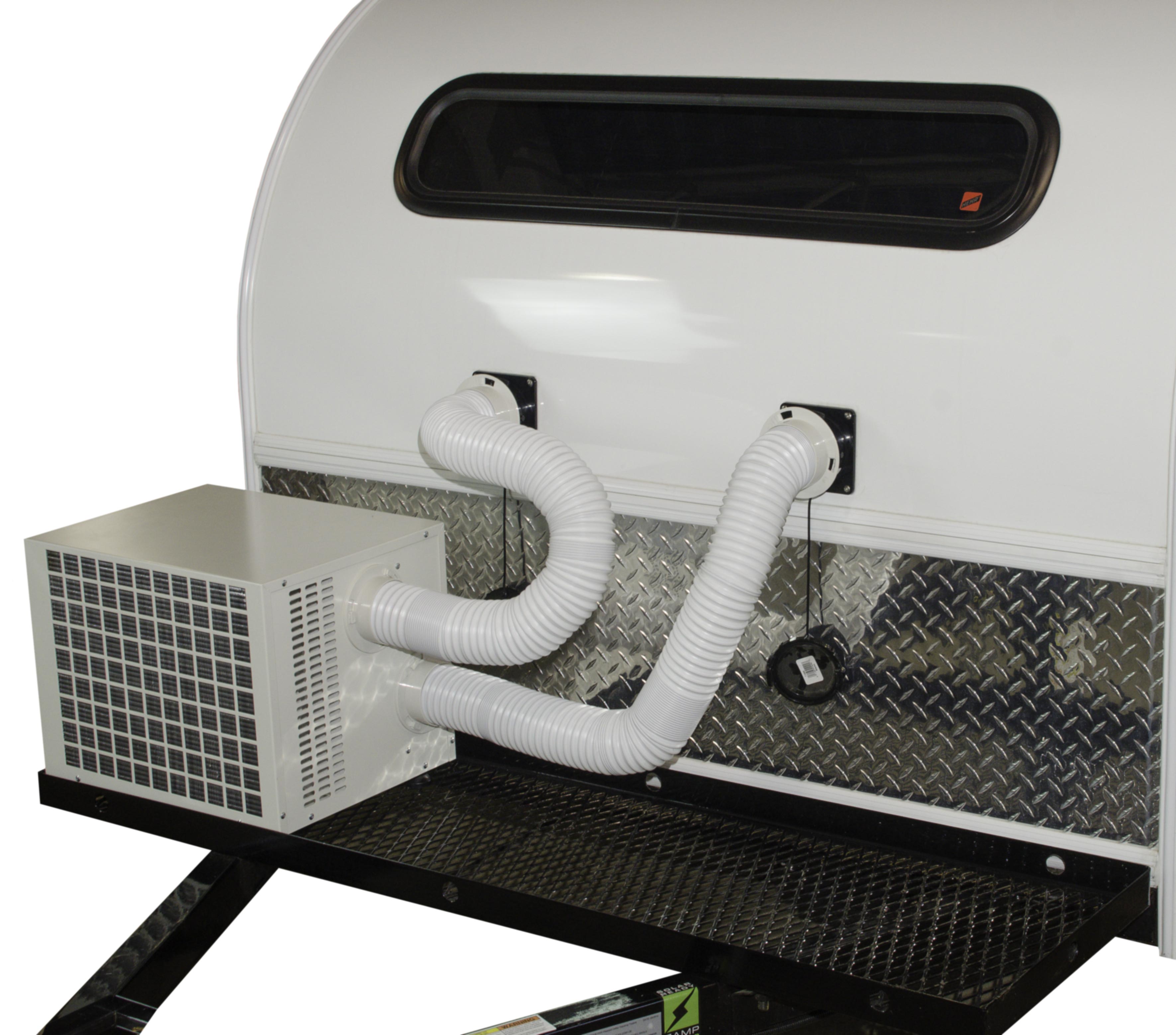
Portable air conditioners offer flexibility and easy setup. You can move them to any room inside the RV. They do not need permanent installation or roof modification. These units usually require an exhaust hose to vent hot air outside. Portable models work well for smaller spaces or temporary use. They are ideal for renters or those who want a simple cooling solution. Portables often run on standard power outlets.
Heat Pump Models
Heat pump air conditioners cool and heat your RV. They save energy by using one system for both functions. Heat pumps work well in mild climates and during spring or fall. These models help extend your travel season comfortably. Heat pumps are often roof-mounted and replace standard AC units. They provide warmth without extra heaters, saving space and weight. Choosing a heat pump can make your RV more versatile year-round.
Choosing The Right Size
Choosing the right size of an RV air conditioner is important. The correct size keeps your RV cool without wasting energy. Too small a unit will struggle to cool your space. Too large a unit uses more power and can cause humidity problems. Understanding your RV’s needs helps find the best fit.
Cooling Capacity And Btus
Cooling power is measured in BTUs (British Thermal Units). Higher BTUs mean more cooling strength. Small RVs usually need around 5,000 to 8,000 BTUs. Larger RVs may require 13,500 BTUs or more. Match BTUs to your RV size for efficient cooling. Check the air conditioner’s BTU rating before buying.
Rv Size And Layout Considerations
Measure your RV’s interior space to know what size AC you need. Consider the height and shape of your RV. A tall or boxy RV may need more cooling power. Open floor plans cool differently than RVs with many rooms. Insulation quality also affects the cooling needs. Take these factors into account for best results.
Installation Tips
Installing an RV air conditioner requires care and the right approach. Proper installation ensures cool air and avoids damage. This section shares key installation tips to help you set up your RV air conditioner successfully.
Diy Vs Professional Installation
Installing an RV air conditioner yourself saves money. Basic skills and patience are necessary. Professionals bring experience and tools for a smooth job. They handle complex wiring and roof sealing better. Choose DIY for simple models and if confident. Hire a pro for larger units or unsure tasks.
Necessary Tools And Materials
You need a drill, screwdrivers, measuring tape, and sealant. A caulking gun helps apply roof sealant evenly. Have a wrench and wire strippers ready. Protective gloves keep hands safe. Use mounting brackets and screws from the kit. Check instructions for any special tools.
Common Installation Mistakes
Wrong measurements cause leaks and poor fit. Skipping roof sealing leads to water damage. Over-tightening screws can crack the unit base. Ignoring electrical connections risks shorts or fires. Not leveling the unit reduces efficiency. Follow the manual closely to avoid these errors.
Maintaining Your Rv Air Conditioner
Maintaining your RV air conditioner is essential for comfort during trips. Proper care helps avoid breakdowns and extends the unit’s life. This guide covers simple steps to keep your RV air conditioner running smoothly.
Regular Cleaning And Filter Replacement
Clean the air conditioner regularly to remove dust and debris. Dirty filters reduce airflow and make the unit work harder. Replace filters every few months or as needed. Use a soft brush or vacuum to clean the coils and vents gently. Clean parts improve cooling efficiency and indoor air quality.
Preventing Electrical Issues
Check electrical connections often to avoid problems. Loose wires cause shorts or failures. Inspect the power cord for damage or wear. Use a surge protector to guard against power spikes. Turn off the unit during storms to protect it. Proper electrical care prevents costly repairs and safety risks.
Seasonal Storage Advice
Prepare your RV air conditioner for storage during off-seasons. Clean the unit thoroughly before storing. Cover it with a breathable fabric to keep dust out. Remove batteries if the unit has a remote control. Store in a dry place to prevent rust and mold. Proper storage keeps the air conditioner ready for your next adventure.
Signs To Replace Your Unit
Knowing when to replace your RV air conditioner helps keep your travels comfortable. Old units may not cool well or cost more to run. Watch for key signs that your unit needs replacement. This prevents bigger problems and saves money over time.
Reduced Cooling Performance
Your RV air conditioner should cool quickly and evenly. If it takes longer or does not cool enough, it may be failing. Warm spots inside the RV or weak airflow also point to trouble. Reduced cooling means the unit works harder but cools less.
Rising Energy Costs
Higher electric bills can signal an aging air conditioner. Older units lose efficiency and draw more power. If your energy costs rise without more use, the AC likely wastes energy. Replacing the unit lowers electricity bills and improves cooling.
Frequent Repairs
Repair bills add up fast when the AC breaks down often. Strange noises, leaks, or error codes show wear and tear. Frequent fixes cost more than a new unit. A reliable air conditioner reduces repair visits and stays strong on the road.
Energy Efficiency Tips
Energy efficiency is key to enjoying your RV air conditioner without high power costs. Using smart methods helps keep your RV cool and saves energy. Follow these tips to reduce electricity use and extend your air conditioner’s life.
Using Solar Power Options
Solar panels can power your RV air conditioner. They use sunlight, a free and clean energy source. Solar systems reduce your reliance on campgrounds’ electricity. Installing solar panels lowers your energy bills and helps the environment. Choose solar kits made for RV use to ensure easy setup and good performance.
Optimizing Temperature Settings
Set your air conditioner to a comfortable but not too low temperature. Around 75°F keeps you cool and saves energy. Avoid sudden temperature changes that force the AC to work harder. Use a programmable thermostat to keep temperatures steady. Turning off the AC when not needed also reduces power use.
Improving Rv Insulation
Good insulation keeps cool air inside and heat outside. Add weather stripping to doors and windows to stop leaks. Use insulated window covers or curtains to block sunlight. Check your RV’s roof and walls for gaps or cracks. Proper insulation lowers the workload on your air conditioner and saves energy.
Popular Accessories
RV air conditioners keep your vehicle cool and comfortable. Accessories improve their use and protect the unit. These popular accessories help you control temperature, protect your AC, and boost airflow. Each adds value to your RV experience.
Remote Controls And Thermostats
Remote controls let you adjust settings from anywhere inside your RV. They offer convenience and easy access to temperature changes. Thermostats keep the air conditioner running at the right level. This saves energy and keeps the cabin comfortable. Many models have digital displays for clear readings.
Protective Covers
Protective covers shield your RV air conditioner from dirt and weather. They prevent dust buildup and damage during travel or storage. Covers are made from durable, waterproof materials. Using them extends the life of your air conditioner. They also keep the unit clean and ready to use.
Ventilation Enhancements
Ventilation enhancements improve airflow around your RV air conditioner. Roof vents and fans help release hot air quickly. This increases cooling efficiency and reduces strain on the unit. Proper ventilation keeps your RV interior fresh and cool. Installing these accessories supports better performance and comfort.
Customer Reviews And Ratings
Customer reviews and ratings offer valuable insights into RV air conditioners for sale. They show real user opinions and help buyers make smart choices. Reviews highlight what works well and what may cause issues. Ratings give a quick view of product quality and satisfaction.
Reading multiple reviews can reveal common trends. Positive feedback often points to reliable cooling and easy installation. Negative comments might mention noise levels or durability concerns. Understanding user experiences helps find the best RV air conditioner for your needs.
Highly Rated Models
Many users praise the Dometic Brisk II for its quiet operation and efficient cooling. The Furrion Chill HE also receives high marks for fast cooling and energy savings. RecPro RV air conditioners rank well for durability and value. These models often score 4 stars or higher out of 5.
Common Complaints
Several customers report noise as a frequent issue with some RV air conditioners. Installation can be tricky if instructions lack clarity. A few units show problems with leaking or weak airflow over time. Some buyers also mention higher power consumption than expected.
User Experience Highlights
Users appreciate air conditioners that cool quickly and maintain steady temperatures. Easy controls and remote operation add convenience. Many highlight helpful customer service for troubleshooting. Portability and lightweight design receive positive feedback from frequent travelers.

Credit: www.allplanttraining.co.uk
Frequently Asked Questions
What Is The Most Reliable Rv Air Conditioner?
The GE Profile Low Profile RV Rooftop Air Conditioner is highly reliable. It offers efficient cooling, quiet operation, and durable performance for RVs.
What Is The $5000 Ac Rule?
The $5000 AC rule means you should spend about $5,000 on an air conditioner for optimal RV cooling and efficiency.
What Is The Life Expectancy Of An Rv Air Conditioner?
An RV air conditioner typically lasts 8 to 12 years with proper maintenance. Regular cleaning and timely repairs extend its lifespan.
How Much Does It Cost To Install An Air Conditioner In An Rv?
Installing an RV air conditioner typically costs between $500 and $1,500, including the unit and labor. Prices vary by brand and installation complexity.
Conclusion
Choosing the right RV air conditioner keeps your travels cool and comfortable. Many options fit different budgets and RV sizes. Check features like energy efficiency and noise levels before buying. Reliable brands offer good performance and durability. Local dealers in Austin, Texas provide helpful advice and service.
Take time to compare prices and read reviews online. A well-chosen air conditioner improves your RV experience greatly. Stay cool on every adventure with the best unit for you.