
Selecting the best ac line set insulation foam depends on whether you need a quick sleeve for a straight pipe, a wrap for complex corners, or heavy-duty protection against harsh weather. These options differ mainly in their material, ease of installation, and how they handle seasonal temperature changes.
Best overall: K-FLEX Elastomeric Insulation, which offers a durable 0.25-inch thickness and a 6-foot length suitable for most residential HVAC and plumbing needs. Best for first-time installers: Duck Brand Foam Covers, which feature a pre-slit design and self-sealing edges, making them simple to apply without specialized tools or complicated steps. Best for heavy-duty protection: HVAC 5-Layer Insulation Cover, which uses a multi-layer waterproof fabric and aluminum foil to block UV rays and prevent freezing in extreme weather conditions.
The rest of this guide is for homeowners looking to improve system efficiency and protect pipes from damage.
How We Picked
We reviewed 48 Amazon listings to identify high-quality residential and commercial AC line protection. Each selection includes clearly stated dimensions, core materials, and installation methods. We excluded products with unclear specifications or missing details, focusing on manufacturer-provided facts like thickness and length to ensure a reliable overview for buyers.
All 10 products side by side — scroll sideways to see every column.
| Top Pick | Best for Heat Pumps | Best for Complex Bends | Best for Refrigerant Lines | Best for Small Projects | Best for Copper Lines | Best for Elbow Protection | Best for Continuous Runs | Best for Water Pipes | ||
| Preview |  |  |  |  |  |  |  | 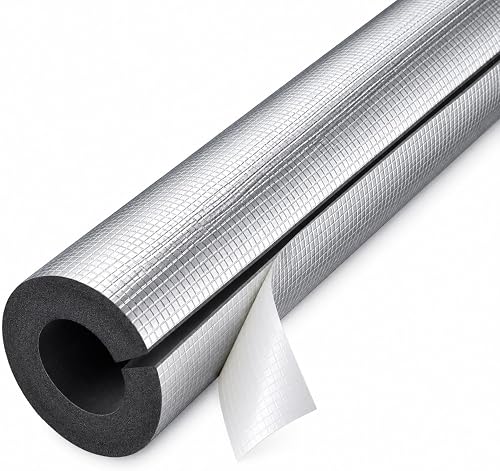 | 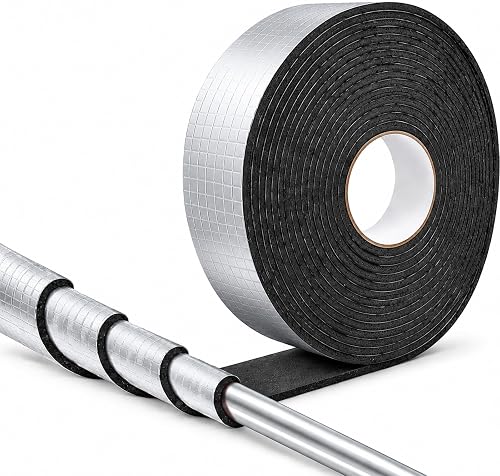 |  |
|---|---|---|---|---|---|---|---|---|---|---|
| Product | K-FLEX Elastomeric Insulation | HVAC 5-Layer Insulation Cover | XFasten Foam Insulation Tape | HVAC Foam Pipe Insulation | Supkiir Foil Foam Tube | Self-Adhesive Foam Tube Set | uxcell HVAC Foam Tube | Half Split Foam Insulation | Self-Adhesive Foam Wrap | Duck Brand Foam Covers |
| Brand | K-Flex | COVERTIFY | XFasten | CARGEN | Supkiir | UCINNOVATE | uxcell | ZGFBKO | DGSL | Duck Brand |
| Best for | Best Overall | Best for Heat Pumps | Best for Complex Bends | Best for Refrigerant Lines | — | Best for Small Projects | Best for Copper Lines | Best for Elbow Protection | Best for Continuous Runs | Best for Water Pipes |
| The listing says | 3/4" x 6 ft elastomeric pipe insulation 0.25" thick durable aluminum material | 72-inch 5-layer waterproof Oxford fabric cover Reflects UV rays and insulates against cold | 100 lbs/inch tensile strength adhesive tape 0.11BTU low thermal conductivity | Protects against freezing and sharp edges Nitrile rubber, Class B flame retardant | 6 pieces, 1.3 feet each, 7.87 feet total Neoprene foam with waterproof aluminum foil | 4 pieces, 15.7 inches long, 1 inch ID Aluminum foil layer, -104°F to 248°F range | 9 mm ID, 4.5M length, XPE material For AC, heat pumps, and water pipes | Aluminum foil outer layer over foam 3/4 inch ID, 0.78 inch thick foam | 0.2-inch thick rubber and plastic wool Waterproof, fireproof, and frost resistant | For hot and cold water pipes Pre-slit with self-sealing edges |
| More information | Price on Amazon | Price on Amazon | Price on Amazon | Price on Amazon | Price on Amazon | Price on Amazon | Price on Amazon | Price on Amazon | Price on Amazon | Price on Amazon |
1. K-FLEX USA 3/4″ x 6 ft. Elastomeric Pipe Insulation
Best for: General residential and commercial HVAC pipe insulation.
This insulation is made from 0.25-inch thick aluminum and provides reliable temperature control. Its 6-foot length makes it versatile for most standard pipe runs found in home systems. Because it’s manufactured by K-FLEX USA, a reputable name in the industry, you can rely on the consistency of the material when covering pipes in HVAC, plumbing, or industrial setups.
Unlike the HVAC 5-Layer Insulation Cover, which uses fabric layers for outdoor weather protection, this pick is a straightforward foam tube designed for standard thermal regulation. It isn’t for users who need a heavy-duty, UV-resistant shield for pipes exposed to direct, harsh sunlight for many years. If your pipes are located in protected indoor areas or utility closets, this material provides the necessary thermal barrier without the bulk of specialized outdoor covers.
Pros
- Durable 0.25-inch thick aluminum material.
- Standard 6-foot length for most applications.
- Reliable temperature regulation for HVAC systems.
Cons
- Lacks extra UV-resistant outer coating.
2. HVAC 5-Layer Insulation Cover
Best for: Outdoor pipes needing all-season weather protection.
This cover uses a five-layer design, including waterproof 600D Oxford fabric and insulating aluminum foil. It’s highly adjustable, allowing you to secure it with buckles around pipe bundles up to 3.1 inches in diameter. The multi-layer construction works by reflecting harsh sunlight to prevent pipe aging in summer while trapping heat to stop freezing during winter.
While the K-FLEX Elastomeric Insulation is a simple foam tube, this sleeve offers comprehensive protection against water, heat, and cold. It isn’t for someone looking for a thin, low-profile insulation that fits inside tight, hidden wall cavities. Because the cover features an adjustable strap system, you can trim the 72-inch length to fit your specific setup without needing specialized tools. This makes it a versatile choice for residential lines that sit exposed to the elements.
Pros
- The design features multiple protective barriers to ensure complete waterproofing and insulation.
- Tool-free installation with adjustable buckles.
- Reflects sunlight to prevent pipe aging.
Cons
- Bulky design for tight indoor spaces.
- Requires manual adjustment for fit.
3. XFasten Foam Pipe Insulation Tape 2 Inch x 15 Feet
Best for: Hard-to-reach areas and complex pipe bends.
This adhesive tape is designed for extreme durability, with a tensile strength of 100 lbs/inch and a 25-year lifespan rating. It is made of EVA foam. Because it resists frost, humidity, and UV rays, it remains a reliable choice for exposed outdoor lines.
This tape is perfect for irregular shapes, unlike the HVAC Foam Pipe Insulation, which is a rigid tube. It isn’t for someone who wants a thick, pre-formed sleeve that provides immediate, high-volume thermal mass in a single step. Instead, it serves those who need to navigate tight corners where pre-molded tubes can’t fit.
By wrapping the tape, you create a custom seal that prevents frosting and reduces energy loss. While it requires more manual effort than sliding on a foam tube, its low thermal conductivity makes it highly effective at regulating temperatures.
Pros
- Strong adhesive for harsh outdoor conditions.
- Stretches to cover complex pipe bends.
- Designed to last up to 25 years.
Cons
- Requires manual wrapping effort.
- Less thermal mass than tubular foam.
4. HVAC Foam Pipe Insulation
Best for: Standard 3/4-inch refrigerant lines.
This foam tube is made of high-quality nitrile rubber and features a completely closed structure to enhance thermal insulation. It’s designed to work in a wide temperature range from -58°F to 230°F.
Because it has no pre-cut seam, it provides a consistent, unbroken layer of insulation. This makes it different from the Supkiir Foil Foam Tube, which uses a pre-slit design. It isn’t for users who need to install insulation on pipes that are already mounted close to a wall.
Since the tube isn’t pre-cut, you must slide it over the pipe before making your final connections. This creates a superior thermal seal, as there’s no seam for air or moisture to penetrate. If you’re insulating a new installation, this design offers the best protection against freezing and condensation.
Pros
- High-quality nitrile rubber construction.
- Operates in extreme temperatures.
- Closed-cell structure for better insulation.
- Naturally rolled packaging prevents creases.
Cons
- No pre-cut seam for easy installation.
- Requires pipe access for sliding on.
5. Supkiir 6Pcs Pipe Insulation Foam Tube 1in
Best for: Quick, self-adhesive foil-backed insulation.
These tubes come in a multi-pack for extended coverage and feature a pre-slit design with a strong adhesive backing. The aluminum foil surface is waterproof and fireproof, making it a robust choice for outdoor copper pipes.
This product is easier to install than the HVAC Foam Pipe Insulation because of its self-adhesive seam. You simply peel the backing and wrap the foam directly onto your pipe or spigot. The adhesive is strong enough to hold firmly against the pipe surface, which helps prevent the insulation from slipping.
Pros
- Pre-slit with strong self-adhesive backing.
- Aluminum foil surface is fireproof and waterproof.
- Includes multiple pieces for flexible usage.
Cons
- Segmented length requires more seam sealing.
6. Self-Adhesive Foam Tube Set
Best for: Multiple small-scale plumbing and AC projects.
This set includes four pieces of pre-slit foam tubing with an aluminum foil wrap. The material is fire-rated and designed to handle temperatures between -104°F and 248°F. The aluminum layer is particularly effective for pipes exposed to the elements, as it improves moisture resistance and thermal reflectivity.
Compared to standard foam tape, this offers a thicker, more rigid barrier for specific pipe diameters. It isn’t for someone who needs to insulate a pipe significantly larger than 1 inch, as the internal diameter is fixed. Because the foam is high-density rubber with a closed-cell structure, it effectively conserves energy and prevents freezing.
Pros
- Aluminum foil enhances thermal reflectivity and durability.
- Fire-rated, high-density rubber material.
- Pre-slit for easy, tool-free installation.
- Self-sealing adhesive edge ensures a tight fit.
Cons
- Limited to 1-inch pipe diameters.
- Requires manual trimming for custom lengths.
- Tie wraps are recommended for a secure fit but aren’t included.
7. uxcell HVAC Copper Pipe Insulation Foam Tube
Best for: Precision-fit installations on specific copper lines.
This 15-foot tube is made from expanded polyethylene and features a double-tube integrated design. It’s flexible and maintains its shape well, which helps reduce energy loss and fluid transport noise. Because the material is waterproof and moisture-proof, it provides stable temperature control for both hot and cold water supply lines.
This is a great choice for long runs, unlike the Supkiir Foil Foam Tube, which comes in shorter, segmented pieces. It isn’t for users who need a heavy-duty, foil-backed outer layer, as this relies on the inherent properties of the XPE and E-P-E foam. To get the best results, ensure your copper pipe’s outer diameter is 1 to 2 mm smaller than the 9 mm inner diameter of this foam. Simply cut the tube to length and seal the joints with adhesive to ensure a secure, airtight fit.
Pros
- Long 15-foot continuous length.
- Double-tube design prevents unraveling.
Cons
- Lacks a protective outer foil layer.
8. Half Split Foam Insulation
Best for: Custom pipe layouts and elbow protection.
This insulation features a thick closed-cell foam layer protected by an aluminum foil cover. Its pre-slit design allows it to be easily placed around existing pipes, and it can be mitered at 45-degree angles for corners. This flexibility makes it ideal for complex plumbing paths where rigid tubes fail to reach.
This is more versatile for custom shapes than the HVAC Foam Pipe Insulation. It isn’t for someone who prefers a solid, non-slit tube for maximum air-tightness on straight, unobstructed lines. Because the foam is pre-cut, you can wrap it around pipes already in place without disconnecting them.
The added foil layer provides a necessary barrier against outdoor moisture and physical scratches. If your project involves sharp turns or irregular HVAC tubing, the ability to cut and miter the material ensures you maintain a consistent thermal barrier.
Pros
- Durable aluminum foil outer layer.
- Easily cut and mitered for elbows.
- Pre-slit for quick installation.
Cons
- Seam may require extra sealing for moisture.
9. Self-Adhesive Foam Wrap
Best for: Large-scale, continuous pipe protection.
This is a 33-foot roll of foam insulation designed for long runs of piping. It features a strong adhesive backing and an aluminum foil layer to reflect heat and protect against rain and snow.
This is ideal for long, straight runs, unlike the Supkiir Foil Foam Tube which requires joining multiple small pieces. It isn’t for users who need a thick, rigid foam tube, as this is a flexible wrap. Because the material is 0.2 inches thick, it effectively guards against freezing in winter and high summer heat.
The integrated aluminum foil layer serves a dual purpose. It reflects solar radiation while providing a flame-retardant barrier. The water-tight coating ensures the insulation remains intact against rain and snow erosion.
Pros
- Long 33-foot roll for continuous coverage.
- Strong adhesive for long-term hold.
- Weatherproof aluminum foil coating.
Cons
- Requires steady hand for straight wrapping.
- Less rigid than pre-formed foam tubes.
The adhesive backing is designed to stay firm. Simply peel the film and apply it directly to the pipe surface for a reliable, all-in-one seal.
10. Duck Brand Foam Pipe Covers
Best for: Simple, indoor, or temporary installations.
These foam sticks are 12 inches long and come in a convenient multi-pack. They’re pre-slit and feature self-sealing edges, making them safe for renters who need a residue-free solution. Because they leave no sticky mess behind, you can remove them easily when moving out of a temporary living space.
This is much easier to apply than the XFasten Foam Insulation Tape for beginners. The rigid stick format allows for quick alignment, whereas tape requires careful wrapping technique. It isn’t for someone needing extreme outdoor weather resistance, as it’s primarily designed for standard indoor or light-duty applications. While the material is rated for temperatures up to 212 F, it lacks the heavy-duty shielding required for constant sun exposure.
Pros
- Pre-slit with self-sealing edges.
- Safe for temporary or rental use.
- Easy to install without tools.
Cons
- Not designed for extreme outdoor weather.
- Limited to 1/2″ to 3/4″ pipe diameters.
Choosing the Best AC Line Set Insulation Foam
Material and Weather Resistance
Choose based on your environment. If your pipes are fully exposed to the sun and rain, look for materials with a waterproof aluminum foil or 600D Oxford fabric layer like the HVAC heavy-duty insulation cover. These materials prevent UV degradation and water damage. For indoor use, standard nitrile rubber or polyethylene foam is sufficient and provides the necessary thermal barrier. Always verify the temperature range of the material; high-quality foams should withstand the temperature fluctuations of your specific system. According to the U.S. Department of Energy, proper insulation reduces heat loss and helps prevent condensation, which is critical for maintaining overall system efficiency in both hot and cold climates.
Installation Method
Consider whether you have access to the pipe ends. If you can slide the insulation over the pipe, a closed, non-slit tube like the HVAC Foam Pipe Insulation offers the best air-tight seal. If the pipes are already installed against a wall or in a tight corner, choose a pre-slit, self-adhesive option like the Supkiir Foil Foam Tube or a wrap like the XFasten Foam Insulation Tape. These allow for installation without disconnecting the piping. If your layout has many elbows or complex turns, a flexible tape or a miter-ready product like the Half Split Foam Insulation will save you significant time and effort during the installation process.
Size and Compatibility
Confirm your pipe diameter before ordering. Most insulation products are sold for specific inner diameters (ID), such as 3/4 inch or 1 inch. If the foam ID is too small, it won’t fit; if it’s too large, it won’t insulate effectively because air will circulate between the pipe and the foam. Measure the outer diameter of your copper or PVC pipe carefully. If you’re buying a roll or tape, ensure you have enough length to cover the entire run, including any fittings or valves. Some products, like the uxcell HVAC Foam Tube, specifically recommend that the pipe’s outer diameter be slightly smaller than the foam’s inner diameter for a perfect fit.
Closing
For most homeowners, the K-FLEX Elastomeric Insulation remains the most reliable pick for standard indoor and protected outdoor lines due to its durable material and consistent thickness. If you’re dealing with harsh outdoor conditions, the HVAC heavy-duty insulation cover provides the necessary weather protection to keep your system running efficiently.
Before you order, double-check your pipe’s outer diameter. For foam tubes, the pipe’s outer diameter should be slightly smaller than the insulation’s inner diameter to ensure a snug fit. If you’re using tape or a wrap, you have more flexibility, but you must ensure the material overlaps enough to create a complete seal against moisture.
Taking the time to measure correctly and choosing a material that matches your local climate will help prevent freezing in the winter and condensation issues in the summer. If your pipes are exposed to direct sunlight or heavy rain, prioritize options with an aluminum foil layer or UV-resistant fabric.
Pick the solution that matches your installation skill and the specific layout of your home’s HVAC or plumbing lines. Whether you choose a pre-slit tube for quick application or a wrap for complex corners, ensuring a tight, sealed finish is the key to getting the best performance.
Related guides
Frequently Asked Questions
Do I need to use adhesive tape if the insulation is self-adhesive?
Most self-adhesive products hold securely on their own, but adding weather-rated tape at the ends provides extra protection in humid or extreme temperature conditions. For non-adhesive products, use external tape or tie wraps to secure seams. Always clean and dry the pipe surface before application to ensure a strong bond.
Can I paint over the pipe insulation foam?
You should not paint protective layers like aluminum foil because it can interfere with thermal reflectivity and cause the paint to crack. If you prefer a specific color, choose a product that comes in that finish from the manufacturer. Painting may also void performance claims regarding fire or weather resistance.
How do I handle elbows and corners with foam tubing?
You can cut flexible insulation at a 45-degree angle to create a miter joint for corners. For rigid tubes, use flexible insulation tape to wrap the joint securely and prevent gaps. Avoid forcing rigid tubes around tight corners, as this often leads to kinks or tears that reduce insulation effectiveness.
Will this insulation stop my pipes from freezing entirely?
Insulation slows heat transfer to help prevent freezing, but it does not generate heat. Products like foam wrap extend the time it takes for pipes to reach freezing temperatures. In severe climates, use insulation alongside heat tape or drain outdoor spigots to prevent pipes from bursting during prolonged freezes.