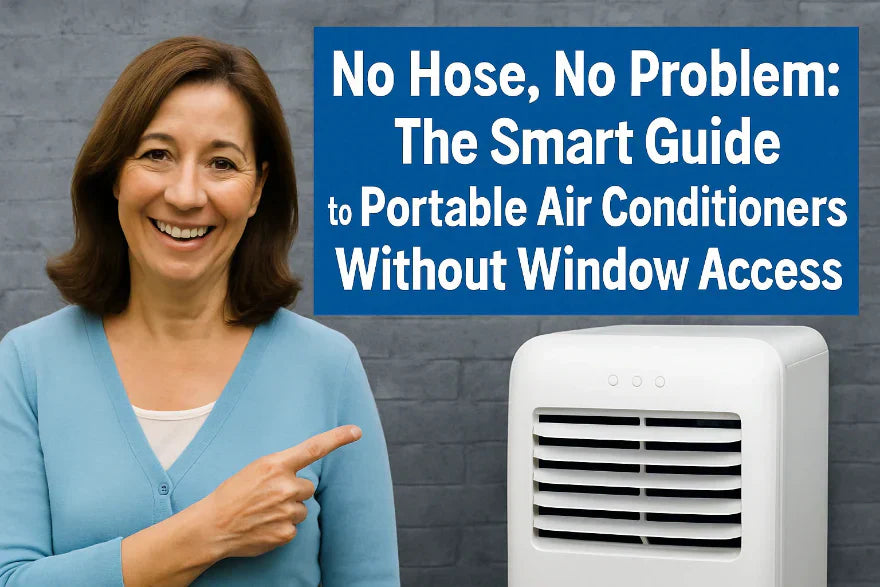
Are you thinking about running your portable air conditioner without the hose? It might sound like a simple solution, especially if you don’t want to deal with setting up the vent.
But here’s the truth: that hose plays a crucial role in keeping your space cool and comfortable. Without it, your unit may struggle, overheat, or even raise the temperature instead of lowering it. If you want to know exactly why the hose matters and what really happens when you skip it, keep reading.
This guide will help you avoid common mistakes and make sure your portable AC works just the way you need it to.
You May Like

- Multi-functional Cooling Fan: Portable air conditioner has air cooler, desk…
- 3 Cooling Wind Speed: Evaporative air cooler with a misting humidification…
- Large Water Tank: This Portable air cooler equipped with 1250ml water tank…
- 7 Color Night Lights: Personal air conditioner is built-in 7 soft colors…

- NO HOSE or WINDOW NEEDED, PLUG and PLAY: no hoses, no assembly needed….
- 3-IN-1 AIR COOLER – Evaporative air cooler combines a fan, air cooler, and…
- Remote Control Panel & Top – You can use the included remote control to…
- 12H TIMER & QUIET 45dB – With a 12-hour smart timer, MEPTY portable cooler…

- All-in-One Fan: Experience the ultimate convenience with our unique 3- in-1…
- Personalized Comfort: Customize your comfort with three distinct modes…
- Ingenious Design for Hassle: Designed in a sleek tower – fan style with…
- Top-Quality & Energy Efficiency: Powered by a high – quality copper motor,…
Credit: thefurnaceoutlet.com
Why The Hose Matters
The hose on a portable air conditioner plays a vital role in its operation. It is not just an accessory but a key component that affects how well the unit cools a room. Understanding why the hose matters helps explain why running the unit without it causes issues.
Without the hose, the portable air conditioner cannot remove hot air effectively. This weakens the entire cooling process. The hose directs warm air outside, keeping the indoor air cool and comfortable.
Role Of The Exhaust Hose
The exhaust hose removes hot air from the room. It vents this air outside through a window or wall. This stops the hot air from mixing back with the cooled air inside.
By sending warm air out, the hose prevents heat buildup. It also helps remove moisture that the unit extracts from the air. This keeps the space dry and cool.
Impact On Cooling Efficiency
Cooling efficiency drops without the hose. The unit tries to cool the room while pushing hot air back inside. This creates a cycle where the air conditioner works harder but cools less.
Energy use rises as the system strains to cool the space. The unit may run longer but fail to lower the temperature enough. This wastes electricity and shortens the unit’s lifespan.
Effects On Room Temperature
Room temperature can actually increase without the hose. Hot air from the unit returns to the room instead of leaving. This causes the air conditioner to fight against its own heat output.
The room never feels truly cool. The temperature may swing up and down, making the space uncomfortable. Proper hose use keeps the room consistently cooler and more pleasant.

Credit: ciarragadgets.com
Single-hose Vs Dual-hose Units
Portable air conditioners come in two main types: single-hose and dual-hose units. Each uses hoses differently to manage airflow and cooling. Understanding these differences helps you see why hoses are important for their operation.
How Single-hose Models Work
Single-hose portable air conditioners use one hose to vent hot air outside. They pull air from the room, cool it, and blow hot air out through the hose. This design can create negative pressure inside the room. The room air is pulled back into the unit to replace the exhausted air, which can reduce cooling efficiency.
Advantages Of Dual-hose Systems
Dual-hose units have two separate hoses. One hose draws fresh air from outside to cool the compressor. The other hose expels hot air outside. This stops negative pressure inside the room and improves cooling efficiency. Dual-hose systems work faster and use less energy compared to single-hose models.
Hose Functions Explained
The hose in a portable air conditioner vents hot air from the unit to the outside. Without it, hot air stays in the room, making the space warmer. The hose also helps remove moisture. Proper ventilation is key for the unit to cool effectively and avoid overheating.
Consequences Of Removing The Hose
Removing the hose from a portable air conditioner causes several serious problems. The hose vents hot air outside, so without it, heat stays inside the room. This reduces the unit’s ability to cool effectively. The consequences affect comfort and the unit’s lifespan.
Heat Recirculation Issues
Without the hose, hot air vents back into the room. The air conditioner cools, but the heat returns immediately. This creates a cycle where the room temperature does not drop. The unit works harder but does not cool efficiently. The room may feel warmer than before.
Increased Humidity Problems
The hose also removes moisture from the air. Without it, humidity rises inside the room. High humidity makes the room feel sticky and uncomfortable. It can also cause damage to walls and furniture. The air conditioner struggles to remove this extra moisture.
Potential For Overheating
Heat builds up inside the unit without proper ventilation. This forces the air conditioner to work under stress. The compressor and other parts may overheat quickly. Overheating can cause the unit to shut down or break. This reduces the lifespan of the air conditioner.
Ventless Cooling Alternatives
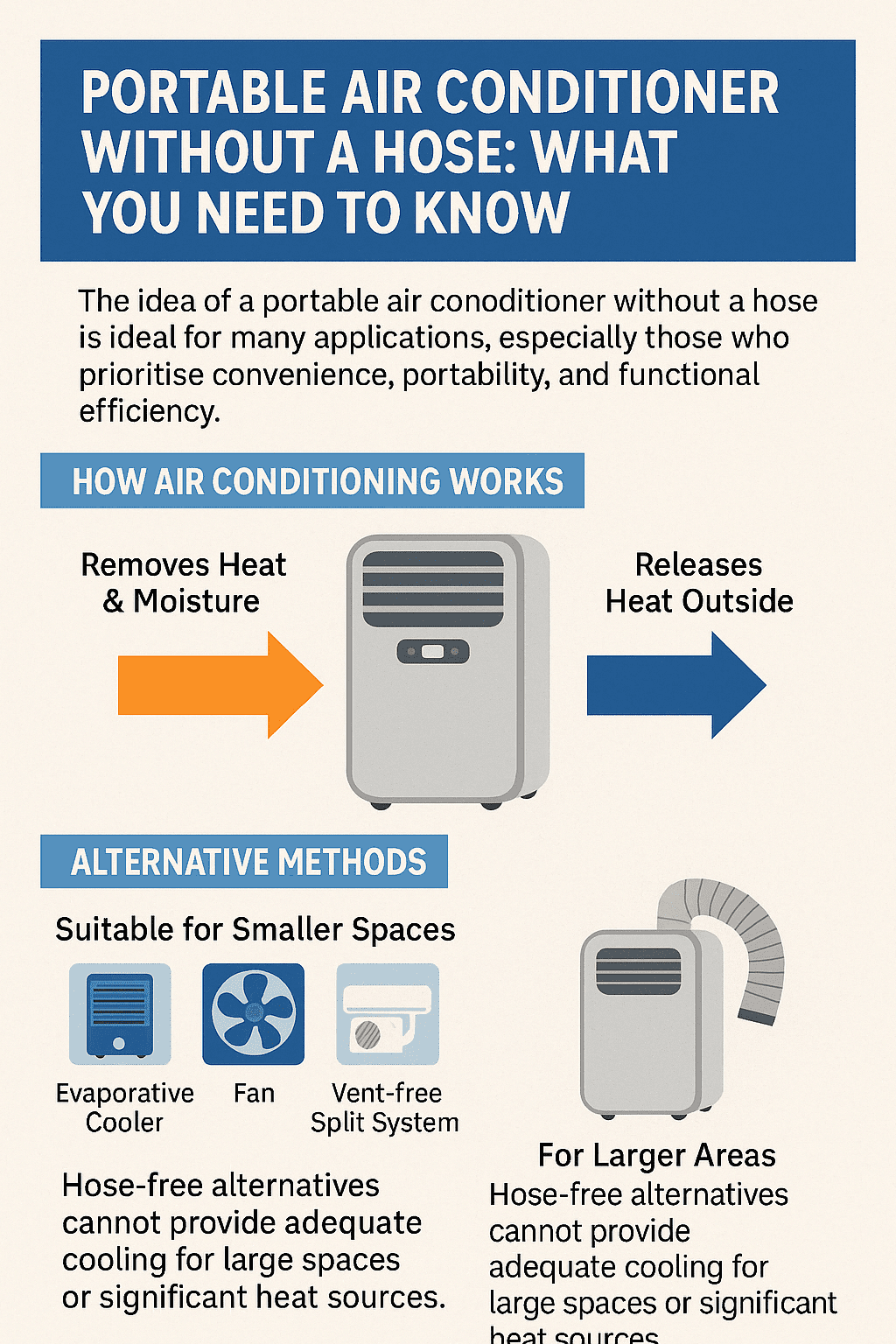
Ventless cooling alternatives provide a way to cool spaces without the need for venting hoses. These options use different methods to lower temperatures and improve comfort. They work well in places where installing a vent hose is difficult or not possible. Let’s explore some popular ventless cooling solutions.
Evaporative Coolers Explained
Evaporative coolers, also called swamp coolers, use water evaporation to cool air. They pull warm air through wet pads, which cools the air as water evaporates. This cooler air then blows into the room. Evaporative coolers use less electricity than traditional air conditioners. They work best in dry climates where humidity is low.
Limitations Compared To Ac Units
Ventless coolers cannot lower temperature as much as air conditioners. They add moisture to the air, which can cause discomfort in humid areas. Evaporative coolers do not remove heat from the room; they only cool by adding moisture. These coolers are less effective in very hot, humid weather. They also do not filter air as well as some AC units.
When To Consider Ventless Options
Choose ventless cooling when vent installation is impossible or not allowed. They suit small rooms or spaces with poor ventilation options. Use them in dry climates for best results and energy savings. Ventless coolers can be a good temporary or supplemental cooling solution. They are quieter and easier to move than portable air conditioners with hoses.
Proper Venting Techniques
Proper venting is crucial for portable air conditioners. It ensures hot air leaves the room. Without venting, the unit will struggle to cool effectively. The exhaust hose directs warm air outside. This helps keep indoor air fresh and cool.
Venting also reduces humidity inside the room. It prevents moisture buildup which can cause discomfort. Using the right venting method improves the unit’s performance. It also extends the life of the air conditioner.
Window Venting Solutions
Windows are the most common venting option. Most portable ACs come with a window vent kit. This kit fits the exhaust hose into a window panel. The panel blocks gaps to stop hot air from coming back.
Sliding windows and sash windows can both work well. Cut the vent panel to fit the window size. Secure the hose tightly to prevent leaks. Always keep the window slightly open for the hose.
Using Vent Kits Effectively
Vent kits include panels, adapters, and sealing strips. They make venting easier and cleaner. Use the correct size kit for your window type. Attach the hose firmly to avoid air leaks.
Seal all gaps around the panel with weather stripping. This stops hot air and insects from entering. Keep the hose as straight and short as possible. Bends and long hoses reduce cooling efficiency.
Common Venting Mistakes To Avoid
Do not vent into another room or indoors. This traps hot air and reduces cooling. Avoid leaving gaps in the window panel. They allow warm air to enter and lower cooling.
Do not use flexible hoses longer than needed. Excess length causes airflow resistance. Avoid sharp bends or kinks in the hose. These block airflow and reduce performance.
Never block the exhaust hose outlet. It causes heat to build up inside the unit. This can damage the air conditioner and shorten its lifespan.
Credit: www.orionairsales.co.uk
Maintenance Tips For Portable Acs
Proper maintenance keeps your portable air conditioner working well. It extends the unit’s life and saves energy. Small habits make a big difference in performance. Follow these tips to avoid common problems and protect your AC.
Compressor Protection Practices
The compressor is the heart of your portable AC. Avoid turning the unit on and off rapidly. This can cause damage and shorten its life. Always let the compressor rest after shutting down. Check and clean the filter regularly to reduce strain. Keep the unit away from dust and dirt. This protects internal parts and keeps the compressor running smoothly.
Avoiding Short-cycling
Short-cycling happens when the AC turns on and off too quickly. It wastes energy and stresses the machine. To avoid this, do not set the thermostat too close to the room temperature. Make sure the hose is properly attached for good ventilation. Keep doors and windows closed while cooling. These steps help maintain steady cooling and reduce short-cycling risks.
When To Turn Off And Restart
Always wait at least three minutes before restarting your portable AC. This pause allows the compressor to stabilize. Restarting immediately can cause damage and reduce efficiency. Turn off the unit during power outages or when changing settings. Also, switch it off before cleaning or replacing filters. Following these rules ensures smooth operation and longer AC life.
Frequently Asked Questions
Can I Use A Portable Air Conditioner Without A Hose?
No, a portable air conditioner needs its exhaust hose to vent hot air outside. Without it, cooling efficiency drops and the room heats up.
What Happens If You Don’t Use The Vent On A Portable Ac?
Not using the vent on a portable AC traps hot air and moisture inside. This reduces cooling efficiency and raises room temperature continuously.
What Is The 3 Minute Rule For Ac?
The 3 minute rule for AC means waiting at least three minutes before restarting the unit. This prevents compressor damage, short-cycling, and ensures system stability and efficiency. Follow it after power outages, setting changes, or maintenance to protect the AC and maintain optimal performance.
What Is The Purpose Of The Hose On A Portable Air Conditioner?
The hose vents hot air and moisture outside, preventing heat buildup and ensuring efficient cooling in a portable air conditioner.
Conclusion
Using a portable air conditioner without its hose reduces cooling power. The hose vents hot air outside, keeping your room cool. Without it, warm air stays inside, raising room temperature. This causes the unit to work harder and wastes energy.
Always connect the hose properly for best results. This simple step helps your air conditioner cool efficiently and last longer. Remember, the hose is key to a comfortable, cool space.