
Are you wondering if you can run a portable air conditioner without using its hose? It’s a common question, especially if your room doesn’t have a convenient window or vent.
You might think skipping the hose is an easy fix, but there’s more to it than meets the eye. Using a portable AC without proper venting can affect its cooling power and even cause it to overheat. But don’t worry—there are clever ways to make it work in tricky spaces.
You’ll discover why the hose matters, what happens if you don’t use it, and practical solutions to keep your room cool and comfortable. Keep reading to learn how you can beat the heat without the usual setup!
You May Like

- All-in-One Fan: Experience the ultimate convenience with our unique 3- in-1…
- Personalized Comfort: Customize your comfort with three distinct modes…
- Ingenious Design for Hassle: Designed in a sleek tower – fan style with…
- Top-Quality & Energy Efficiency: Powered by a high – quality copper motor,…

- 【Portable Air Conditioner and Mist Humidification】Portable mini air…
- 【Portable Mini Air Conditioner】Built-in high-capacity batteries, not…
- 【Keep Cool and Comfortable】Our 500ml mini air conditioner can be used…
- 【Energy Saving】The portable air conditioners runs on low energy…

- 𝐅𝐚𝐬𝐭, 𝐏𝐨𝐰𝐞𝐫𝐟𝐮𝐥…
- 𝐀𝐥𝐥-𝐢𝐧-𝐎𝐧𝐞 𝟒-𝐌𝐨𝐝𝐞…
- 𝐐𝐮?𝐜𝐤 𝐒𝐞𝐭𝐮𝐩 𝐰𝐢𝐭𝐡…
- 𝐒𝐦𝐚𝐫𝐭 𝐄𝐧𝐞𝐫𝐠𝐲 𝐂𝐨𝐧𝐭𝐫𝐨𝐥…
Using Portable Ac Without Hose
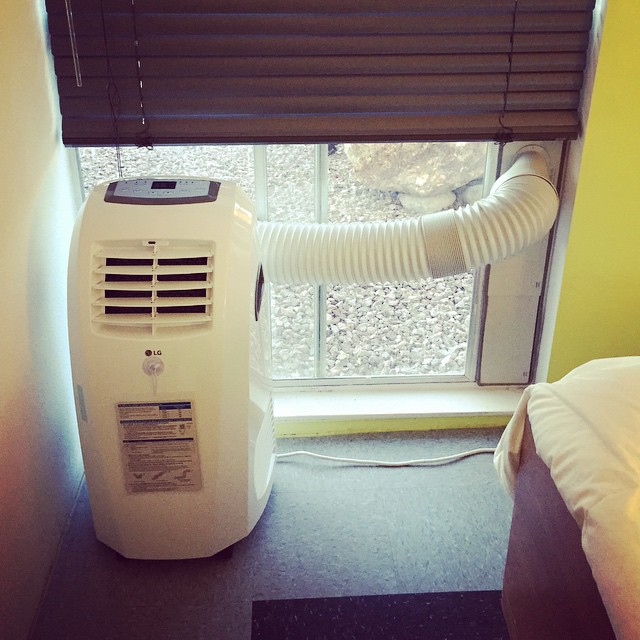
Using a portable air conditioner without a hose is a tempting idea for simple setup. The hose is designed to vent hot air outside. Without it, the unit struggles to work properly. Many wonder if skipping the hose can still cool a room effectively. This section explains what happens when you use a portable AC without the exhaust hose.
Impact On Cooling Efficiency
The hose removes hot air from the room. Without it, hot air stays inside. This causes the portable AC to recycle warm air. The unit works harder but cools less. The room temperature may not drop much. Energy use rises while comfort falls. Cooling efficiency drops significantly without venting.
Risks Of Overheating
Heat builds up inside the portable AC without exhaust. This can cause the machine to overheat. Overheating may damage internal parts or stop the unit. The AC’s lifespan shortens without proper venting. Safety risks like fire hazards increase. Proper hose use reduces these dangers. Always ensure the hose vents hot air outdoors.
Credit: americanhomewater.com
Alternative Venting Options
Using a portable air conditioner without the standard exhaust hose might seem tricky. Alternative venting options help direct hot air outside. These solutions keep your room cool and the unit running safely. Each method needs a careful setup to avoid warm air returning inside. Here are some common ways to vent your portable AC without a window hose.
Sliding Door Venting
Sliding doors offer a large opening for venting hot air. Cut a piece of plexiglass or cardboard to fit the door gap. Seal around it with weather stripping to stop warm air from leaking back. A door vent kit can also simplify this setup. This option works well if you have a sliding glass door leading outside.
Drop Ceiling Vent
Drop ceilings have removable tiles that allow easy vent installation. Remove one tile and cut a hole to fit the exhaust hose. Use a vent kit or create a custom seal to keep air from escaping inside. This method is good for rooms with drop ceilings and access to an attic or outdoor space above.
Wall Vent Installation
Installing a wall vent directs hot air straight outside. Cut a hole through an exterior wall matching the hose size. Attach a vent cover to protect from weather and pests. Seal edges tightly with silicone or foam to prevent leaks. Wall vents require careful measuring and some DIY skills but provide efficient venting.
Dryer Vent Utilization
Unused dryer vents can serve as an exit for hot air. Check if the vent leads directly outside and fits the AC hose diameter. Connect the hose securely and seal any gaps with duct tape. This option saves time and effort by using existing infrastructure. Ensure the vent is clean and free of obstructions before use.
Interior Door And Fan Method
This method works when no direct outdoor vent is available. Leave an interior door slightly open and run the hose through the gap. Place a fan near the door to push hot air into another room or hallway. It is less effective but can reduce heat buildup temporarily. Use this only as a last resort for short periods.
Sealing And Installation Tips
Proper sealing and installation are key to using a portable air conditioner without a hose. Without good sealing, hot air can leak back inside. This reduces cooling efficiency and wastes energy. Careful installation helps the unit work as it should. It also prevents damage and discomfort in your room.
Importance Of Proper Sealing
Sealing gaps around the air conditioner’s exhaust is essential. Air leaks let warm air return into the room. This forces the unit to work harder. It can lead to higher electricity bills. Proper sealing keeps the cool air inside. It also blocks dust and insects from entering. A well-sealed setup ensures the air conditioner runs smoothly and lasts longer.
Materials For Sealing Gaps
Use weather stripping to close gaps around windows or doors. It is flexible and easy to apply. Duct tape is strong and sticks well to many surfaces. Use it to cover edges and seams. Foam sealant can fill larger holes or cracks. It expands to create a tight barrier. Plastic sheets or plexiglass panels help block open spaces. Combine these materials for the best results. Make sure all gaps are fully covered for effective sealing.

Credit: kdfoundation.org
Managing Condensate Water
Managing condensate water is essential when using a portable air conditioner. These units remove moisture from the air, which collects as water inside the machine. Handling this water properly keeps the air conditioner running smoothly and prevents leaks or damage. Different models handle condensate in various ways. Some evaporate the water automatically, while others need a drain line setup. Understanding these options helps maintain your unit and ensures efficient cooling.
Self-evaporating Models
Self-evaporating portable air conditioners use the heat from the unit to evaporate the collected water. This process reduces the need to empty a water tank regularly. These models often have a small internal reservoir that collects condensate. Once the reservoir fills, the water evaporates through the exhaust hose. This feature makes these units more convenient and low maintenance. Ideal for short-term or light use, they save time on water removal.
Drain Line Setup
Some portable air conditioners require a drain line to remove condensate water. This setup involves attaching a hose to the unit’s drain outlet. The hose directs water outside or to a nearby drain. This method is common in high-humidity areas or long-term use. It prevents water buildup inside the unit and avoids manual emptying. Proper installation of the drain line ensures the air conditioner works efficiently and stays dry.
Ventless Portable Ac Alternatives
Portable air conditioners usually need a hose to vent hot air outside. Without a hose, they can’t cool a room properly. Some people want to avoid hoses because of installation troubles or lack of windows. For these cases, ventless portable AC alternatives are helpful. These devices cool the air without needing to vent hot air outside. They work differently but can be good options for certain spaces and climates.
Ventless cooling devices use water or other methods to lower the temperature. They don’t blow hot air back into the room like a portable AC without a hose would. They are simpler to use and move around. Let’s look at one popular type of ventless cooler and where it works best.
Evaporative Coolers
Evaporative coolers, also called swamp coolers, cool air by adding moisture. They pull warm air through wet pads. The air cools as water evaporates, then flows into the room. This process uses less electricity than a traditional AC. They don’t need a hose or vent because they don’t create hot exhaust air. Evaporative coolers are lightweight and easy to move. They also add humidity to the air, which can be good or bad depending on the climate.
Suitability For Dry Climates
Evaporative coolers work best in dry climates with low humidity. They add moisture, which makes hot, dry air feel cooler and more comfortable. In humid places, these coolers are less effective. The air is already moist, so evaporation slows down. Using an evaporative cooler in humid areas can make the room feel sticky. People in dry regions like Austin, Texas, benefit most from these coolers. They offer a natural, energy-saving way to stay cool without hoses or vents.
Diy Venting Solutions
DIY venting solutions offer practical ways to use a portable air conditioner without a traditional window hose. Creating a proper vent ensures hot air leaves the room, keeping the space cool and the unit running smoothly. Simple materials and kits can help build an effective vent system for your portable AC.
Using Cardboard Or Plexiglass
Cardboard or plexiglass can block openings like sliding doors or non-standard windows. Cut the material to fit the opening size perfectly. Make a hole for the exhaust hose to pass through. Seal all edges with weather stripping or duct tape to stop warm air from coming back in. This method is affordable and easy to customize. It works well for temporary or semi-permanent setups.
Specialized Vent Kits
Specialized vent kits come with all parts needed for venting a portable AC. These kits include adjustable panels, hose connectors, and sealing strips. They fit most door and window types, simplifying installation. Kits ensure a secure seal to prevent air leaks. Using these kits improves cooling efficiency and protects the unit from overheating. They are ideal for those seeking a cleaner, more reliable vent solution.
Common Mistakes To Avoid
Using a portable air conditioner without a hose can seem simple. Many make common mistakes that reduce cooling power and cause problems. Avoid these errors for better comfort and efficiency. Below are two frequent mistakes to watch for.
Ignoring Exhaust Venting
Portable air conditioners push hot air outside through a hose. Without venting, the hot air stays in the room. This stops the unit from cooling properly. Some try to run the unit without any exhaust hose. This causes the air conditioner to overheat and use more energy. Proper venting is needed to remove heat. Always plan how to send hot air outdoors.
Poor Sealing Practices
Gaps around the exhaust hose let hot air leak back inside. This lowers the cooling effect. Many use loose or no sealing around vents. Use weather stripping, duct tape, or foam to seal openings tightly. Check for small cracks where warm air can enter. Good sealing keeps hot air out and cool air in. It helps the air conditioner work well and saves energy.
Credit: thefurnaceoutlet.com
Frequently Asked Questions
Can I Use A Portable Air Conditioner In A Room Without A Window?
You can use a portable air conditioner in a room without a window by venting exhaust through doors, walls, or ceiling vents. Ensure the vent path is sealed to prevent warm air return. Proper venting is essential for effective cooling and to avoid overheating.
What Happens If You Don’t Vent Your Portable Air Conditioner?
Not venting a portable air conditioner causes hot air buildup, reducing cooling efficiency and risking overheating or damage.
Can A Portable Air Conditioner Work Without A Hose?
No, portable ACs need a hose to vent hot air outside. Without it, the unit recirculates warm air, reducing cooling efficiency and risking overheating.
How To Vent A Portable Ac Without A Window?
You can vent through a sliding door, drop ceiling, wall vent, or dryer vent. Ensure a sealed pathway to prevent warm air from re-entering.
Conclusion
Using a portable air conditioner without a hose is not practical. The unit needs to vent hot air outside to cool the room. Without proper venting, the air conditioner will work poorly and may overheat. Creative solutions like venting through doors or walls can help.
Always seal the vent opening tightly to keep warm air out. This ensures the unit cools efficiently. Choose the right venting option for your space. Proper setup keeps your room comfortable during hot days.