
Is your portable air conditioner running but failing to cool your space? You’re not alone, and it can be frustrating when your trusted cooling device feels like it’s just blowing warm air.
But before you think about replacing it, there are simple reasons why your portable AC might not be delivering the chill you expect. From clogged filters to improper venting, these common issues could be stopping your unit from working efficiently.
Stick around as we break down the key problems and easy fixes that can help you bring back that refreshing cool air to your room—so you can stay comfortable without breaking the bank or calling a repair service right away.
You May Like

- 【14000 BTU Powerful Cooling Efficient】Humhold Powerful Portable AC unit…
- 【3-in-1 Cooling/Dehumidify/Fan Function】 The smart portable air…
- 【Front LED Display & Remote Control】 Our self evaporating portable ac…
- 【No Need To Drain】With Built-in water self-evaporation system, there is…

- Three-in-One Unit: Our 12,000 BTU air conditioner also functions as a…
- Portable AC: Take this personal air conditioner (16.5” x 11.7” x 27.9)…
- Smart AC with Voice Control: This smart air conditioner allows Wi-Fi…
- Follow Me Remote: Our portable AC unit comes with a full function remote…
- 【10000 BTU Powerful Cooling Efficient】-Featuring a powerful 10000 BTU…
- 【3-in-1 Portable Air Conditioner】-The 3-in-1 mode meets your various…
- 【LED Display & Remote Control】-Effortlessly control your comfort. With…
- 【Low noise & Energy Saving Sleep】-This floor air conditioner is…

- 【INVERTER TECHNOLOGY for 40% Energy Saving】 Engineered with the…
- 【16000 BTU Cooling Capacity】This Powerful Portable AC unit owns a fast…
- 【Dual Hose Design & 42dB Quiet Sleep Mode】 Our dual hoses design…
- 【3-in-1 Cooling/Dehumidify/Fan Mode】 The 16000BTU portable air…

- ❄️【3-in-1 Versatile Evaporative Cooler】This ETL-certified swamp…
- ❄️【Customizable Comfort with Remote Control】Take full command of…
- ❄️【Boosted Cooling with Ice Packs & Large Tank】Easily switch…
- ❄️【120° Oscillation & High-Efficiency Water Curtain】Designed to…
Common Causes
Several factors cause a portable air conditioner to stop cooling effectively. Identifying these common issues can help restore its performance quickly. Understanding each cause helps in proper maintenance and timely fixes.
Dirty Air Filters
Dirty air filters block airflow and reduce cooling power. Dust and debris collect over time, making the unit work harder. Cleaning or replacing filters regularly improves air circulation and cooling efficiency.
Blocked Evaporator Coils
Evaporator coils absorb heat from the room air. Dust buildup on these coils prevents heat exchange. Blocked coils lower the cooling capacity and cause the AC to blow warm air.
Improper Venting
Portable ACs need proper venting to remove hot air outside. A blocked or disconnected exhaust hose traps heat inside. This stops the unit from cooling the room effectively.
Ice Buildup
Ice can form on coils if the unit runs in very cold conditions or airflow is poor. Ice blocks air passage and stops cooling. Defrosting the unit restores normal function.
Refrigerant Issues
Refrigerant absorbs and releases heat during cooling. Low refrigerant levels or leaks reduce cooling power. A professional technician must check and recharge the refrigerant if needed.
Room Preparation
Preparing your room properly can improve your portable air conditioner’s cooling power. Small adjustments make a big difference. A well-prepared room helps the unit work efficiently and cool down faster.
Sealing Windows And Doors
Close all windows tightly to stop warm air from entering. Use weather stripping or towels to seal gaps around doors and windows. This keeps the cool air inside and blocks hot air from coming in.
Avoiding Heat Sources
Keep your air conditioner away from heat sources like ovens, lamps, and direct sunlight. Heat from these sources makes the unit work harder and cool less. Turn off or move electronics that produce heat near the unit.
Optimizing Unit Placement
Place the portable AC on a flat surface in the center of the room if possible. Avoid corners or areas blocked by furniture. Ensure the exhaust hose vents directly outside with no bends. This helps the unit release hot air efficiently.
Maintenance Tips
Proper maintenance keeps your portable air conditioner working well. It helps the unit cool your space efficiently and lasts longer. Small tasks done regularly prevent common problems and improve performance.
Follow these maintenance tips to make sure your portable AC cools as it should. These easy steps save time and money by avoiding repairs.
Cleaning Filters Regularly
Dirty filters block airflow and reduce cooling power. Clean the air filters every one to two weeks. Remove the filter and wash it with warm water and mild soap. Let it dry completely before placing it back. Clean filters help the unit cool faster and use less energy.
Draining Condensate
Water collects inside the unit during cooling. Check the condensate reservoir often and drain it when full. Some models have a drain hose for continuous drainage. Remove water to avoid leaks and mold growth. Keeping the reservoir empty helps the air conditioner run smoothly.
Checking For Refrigerant Leaks
Refrigerant is essential for cooling. Low refrigerant levels cause poor cooling or no cold air. Look for oily spots or hissing sounds near the unit. These may signal leaks. Refrigerant leaks require a professional to fix. Do not try to refill refrigerant yourself to avoid damage or injury.
Credit: vicentetorns.com
Improving Cooling Performance
Improving the cooling performance of your portable air conditioner helps it work better and faster. Small changes around the unit can make a big difference in how cool your room feels. Focus on managing heat and air flow to get the best results from your AC.
Insulating Exhaust Hose
Insulate the exhaust hose to stop warm air from leaking back. Use bubble foil or foam wrap to cover the hose. This keeps hot air outside and cool air inside. Insulation reduces the heat that travels through the hose walls. Your portable AC will cool the room more efficiently.
Using Fans For Air Circulation
Place fans near your portable AC to help move cool air around. Fans push the cold air into corners and away from the unit. This spreads the cool air faster and more evenly. Good air circulation stops warm spots from forming in the room.
Pre-cooling Techniques
Start cooling your room before turning on the AC fully. Close windows and doors to block warm air from entering. Use blinds or curtains to block sunlight during hot hours. Lowering the room temperature first makes the AC work less hard.
Adding Ice For Temporary Boost
Put ice packs or a bowl of ice in front of the air conditioner’s fan. The cold air from the ice helps cool the room quickly. This method works well for a short time, giving your AC a quick boost. Change the ice often to keep the effect going.
Venting Solutions
Venting plays a key role in how well your portable air conditioner cools. Without proper venting, hot air can stay inside the room. This makes the unit work harder and cool less effectively. Fixing venting problems often solves cooling issues quickly.
Proper Exhaust Hose Setup
The exhaust hose must be connected securely to the unit and window kit. Check for any gaps or leaks where hot air can escape back inside. Use the window kit supplied with your AC to seal the hose in place. A loose or missing seal lets warm air flow back into the room, reducing cooling power.
Using Short And Straight Hose
Keep the exhaust hose as short and straight as possible. Long or bent hoses block airflow and trap heat. This raises the temperature inside the hose and lowers the AC’s efficiency. Avoid kinks or sharp bends. A short, direct hose helps remove hot air quickly and keeps your room cooler.
Upgrading To Dual-hose Models
Single-hose units pull air from inside the room to cool and then vent it outside. This can create negative pressure, drawing in warm air from other areas. Dual-hose models use one hose to bring in fresh outside air and another to vent hot air out. This design improves cooling speed and efficiency, especially in larger rooms or warmer climates.

Credit: www.arloren.com
Troubleshooting Steps
Troubleshooting your portable air conditioner can help restore its cooling power quickly. Follow simple steps to identify and fix common issues. This guide covers easy checks anyone can do at home. These steps save time and avoid unnecessary repairs.
Resetting The Unit
Turn off your portable air conditioner and unplug it. Wait for about five minutes. This pause lets the system reset its internal controls. Plug the unit back in and turn it on. Check if it starts cooling properly. Resetting can clear minor electronic glitches that stop cooling.
Checking Power Supply
Make sure the air conditioner is connected to a working power outlet. Test the outlet by plugging in another device. Look for any loose or damaged cords on the unit. A poor power connection can prevent the unit from running well. Confirm the circuit breaker has not tripped. Safe and steady power is essential for cooling.
Inspecting For Airflow Obstructions
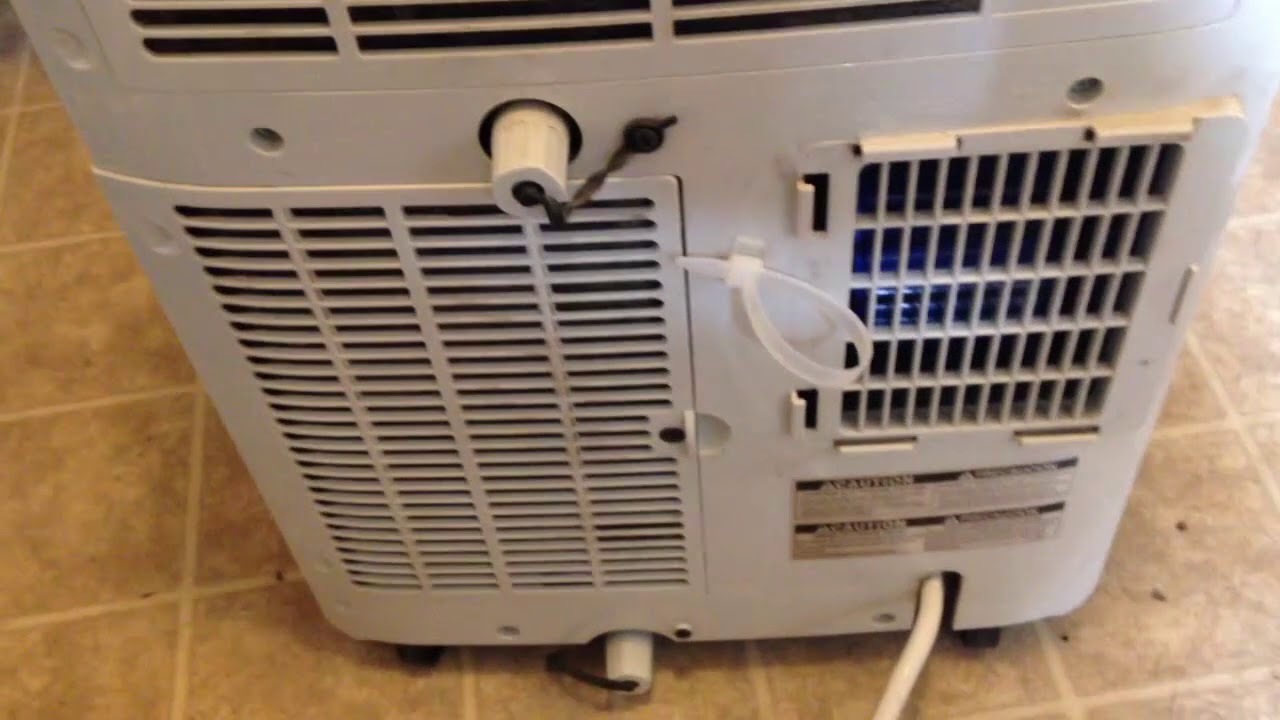
Check that the air filter is clean and free from dust. A dirty filter blocks airflow and lowers cooling. Remove any objects blocking the air vents. Ensure the exhaust hose is attached and vented outside without kinks. Poor airflow stops the unit from cooling the air. Clear space around the unit for better air circulation.
Credit: www.youtube.com
Frequently Asked Questions
How To Fix A Portable Air Conditioner That Is Not Cooling?
Clean or replace the air filter to improve airflow. Remove ice buildup on coils by defrosting. Ensure the exhaust hose vents outside properly. Check for leaks or blockages. Keep the unit away from heat sources and seal the room for better cooling.
How Do I Make My Portable Air Conditioner Colder?
To make your portable air conditioner colder, clean or replace filters regularly. Seal windows and doors to prevent air leaks. Vent the exhaust hose properly outside. Keep the unit away from heat sources and insulate the hose to reduce heat transfer.
Use fans to circulate cool air efficiently.
How To Reset A Portable Air Conditioner?
To reset a portable air conditioner, turn it off and unplug it for 5 minutes. Then, plug it back in and turn it on. This clears errors and restarts the system. Check the user manual for model-specific reset instructions.
What Is The 3 Minute Rule For Air Conditioners?
The 3-minute rule for air conditioners advises waiting three minutes before restarting the unit. This prevents compressor damage and ensures efficient operation.
Conclusion
A portable air conditioner may fail to cool due to simple issues. Dirty filters, blocked vents, or poor placement often cause problems. Regular cleaning and proper venting improve cooling efficiency. Keeping the unit away from heat sources helps it work better.
Sealing the room prevents cool air from escaping. If problems persist, check for ice buildup or refrigerant leaks. Small fixes can restore your AC’s cooling power quickly. Stay attentive to maintenance for consistent comfort during hot days.