
Selecting the right foam insulation strip for a window air conditioner depends on the size of your gaps and whether you need a permanent or seasonal seal. These products vary by material density and adhesive type, which determine how easily they install and how well they block drafts and noise.
Best overall: MD Building AC Weatherseal provides a solid, pre-cut fit for most standard window units, making it the most reliable choice for sealing common gaps without needing custom modifications or complex tools.
Best for first-time buyers: Frost King AC41WA is straightforward and durable, offering a simple way to block drafts and vibrations for those who want a quick, no-nonsense installation for their seasonal air conditioner setup.
Best for heavy-duty sealing: CloudBuyer Foam Strips offer a high-density, closed-cell construction that stands up to extreme temperatures and provides superior long-term durability for users who need a robust, permanent-style weather barrier.
This guide is intended for homeowners and renters looking to improve their indoor comfort by properly sealing air conditioner gaps.
How We Picked
We compared 48 different Amazon listings to find the most effective foam insulation options for window air conditioners. Each product had to provide clear dimensions, material composition, and specific application instructions to be considered for this list. We removed any products that lacked essential technical details or had unclear installation requirements. Our selection focuses on the physical properties of the foam, such as whether it’s open or closed cell, and how well it fits various gap sizes.
All 10 products side by side — scroll sideways to see every column.
| Top Pick | Best for Noise Reduction | Best for Large Gaps | Best for DIY Projects | Best for Simple Use | Best for Waterproofing | Best for Thin Profiles | Best for Uneven Gaps | |||
| Preview |  | 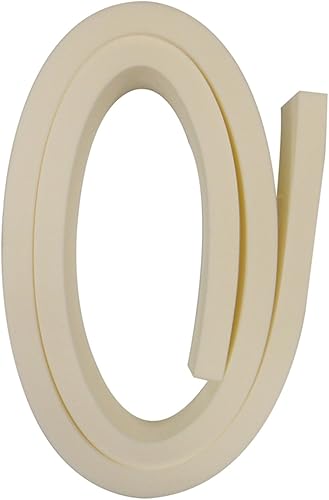 |  |  |  |  |  |  |  |  |
|---|---|---|---|---|---|---|---|---|---|---|
| Product | MD Building AC Weatherseal | Frost King AC41WA | Yotache AC Insulation Strip | EVA Foam Weather Stripping | Frost King R734H | CloudBuyer Foam Strips | Frost King V734H | Frost King AC43H | Single Sided Foam Stripping | MD Building Expandable Foam |
| Brand | M-D Building Products | Frost King | yotache | Bantie | Frost King | CloudBuyer | Frost King | Thermwell | Generic | M-D Building Products |
| Best for | Best Overall | Best for Noise Reduction | Best for Large Gaps | Best for DIY Projects | Best for Simple Use | — | Best for Waterproofing | — | Best for Thin Profiles | Best for Uneven Gaps |
| The listing says | Creates tight barrier for window AC units Seals out cold and hot air | Resistant to sunlight, moisture and extreme temperatures Reduces outside noise and vibrations | Non-adhesive foam strip Made from NBR+PVC foam, -40℃ to 90℃ | Features upgraded mesh adhesive Flexible and cuttable for large gaps | 3/4×7/16 BLK SpongeTape Easy and simple use kit | Two rolls of 1 in x 3/4 in x 6.5 ft Weather, oil, and corrosion resistant | 3/4 inch wide by 1/2 inch thick by 10' long Moderate compression for irregular gaps | For weather-stripping window air conditioners Compressible strip for air, insect, and dust seal | High-density foam with self-adhesive backing Blocks drafts, dust, and noise | Expandable open cell foam Versatile sealant for windows |
| More information | Check Latest Price on Amazon | Check Latest Price on Amazon | Check Latest Price on Amazon | Check Latest Price on Amazon | Check Latest Price on Amazon | Check Latest Price on Amazon | Check Latest Price on Amazon | Check Latest Price on Amazon | Check Latest Price on Amazon | Check Latest Price on Amazon |
1. MD Building AC Weatherseal
Best for: Standard window air conditioner unit gaps.
This foam strip is designed specifically for window AC units, measuring 42 inches long. It’s built to fill gaps up to 1-1/4 inches thick, which covers the majority of standard residential window installations. The gray color is intended to blend in with most window frames, keeping your window area looking neat while it works to block out dust and outside air.
Because it’s a pre-sized strip, you don’t have to worry about measuring and cutting rolls of foam for a simple setup. If your gap is exactly 1-1/4 inches or smaller, press the foam firmly into the space to create the required airtight barrier. If you encounter a gap wider than 1-1/4 inches, this product will fail to block drafts effectively. In those instances, you must choose a thicker insulation material to maintain your home’s climate control.
Using this strip as a year-round draft stopper helps stabilize indoor temperatures by preventing heat transfer. It blocks cold air during winter and keeps hot air out in summer. Always verify your gap width before purchase to ensure the foam provides a snug, insulating fit.
Pros
- Pre-cut for easy installation
- Blends with window frames
- Blocks dust and drafts
Cons
- Limited to specific gap sizes
2. Frost King AC41WA AC Foam Weather Seal
Best for: Reducing vibration and noise.
This heavy-duty foam seal is built to be resistant to sunlight and moisture, which is critical for a product exposed to window conditions all summer. At 1/2 inch thick, it provides a firm barrier that dampens the mechanical vibration noise common in window units. It’s a reliable choice for keeping your home quiet while the air conditioner runs.
If your window frame has gaps wider than 1/2 inch, this foam won’t create an airtight seal on its own. You must measure your gap depth before installation. If the space is larger, you’ll need to double up the material or choose a thicker product to prevent air leaks.
The material is specifically engineered to handle extreme temperature fluctuations. It maintains its structural integrity even when the sun hits your window directly throughout the day. Many users make the mistake of using standard, thinner adhesive foam for heavy units. This leads to premature compression and increased rattling. By using this heavy-duty version, you ensure the seal remains compressed against the chassis.
Pros
- Resists sunlight and moisture
- Reduces unit vibration
- Durable heavy-duty foam
Cons
- May be too thin for wide gaps
3. Yotache Open Cell Foam Air Conditioner Insulation Seal Strip 2″x1″
Best for: Large gap insulation.
This open-cell foam strip is highly flexible and measures 2 inches by 1 inch, making it a great choice for filling larger areas around your AC unit. It’s made from NBR and PVC foam, which allows it to handle a wide range of temperatures from -40℃ to 90℃. Because it’s non-adhesive, you simply place it on top of the unit and lower the window to compress it into place.
This design is excellent for those who need to remove the seal at the end of the season, as there’s no sticky residue left behind on the window frame. It isn’t recommended for people who prefer a permanent, adhesive-backed solution, as you must rely on the window pressure to keep it secure. If your window track is loose or lacks a locking mechanism, the strip may shift; ensure your window can apply firm, consistent pressure to hold the foam in place.
Use scissors or a blade to cut the 6.5-foot strip to your exact dimensions. Because the material is highly resilient, it will quickly return to its original shape after compression, providing long-term shock protection and noise reduction.
Pros
- No adhesive residue
- Handles wide temperature range
- Highly flexible for irregular gaps
Cons
- Requires window pressure to stay
4. 33FT EVA Foam Weather Stripping Door Seal
Best for: Versatile DIY home projects.
This strip comes in a generous 33-foot length, perfect for sealing multiple windows or large gaps around the house. It features an upgraded mesh adhesive designed to stay firmly in place once applied. The EVA material is known for its toughness and long lifespan, making it a reliable choice for long-term use.
The grid lines on the backing make it easy to cut to the exact size you need.
Use this material when you need a balance of thermal insulation and soundproofing. If you’re working on a high-friction area like a car door or a machine tool, the EVA foam’s density offers better protection than standard silicone strips.
However, avoid using this for single, tiny repairs. Because of the 33-foot length, it is suitable for multiple windows or large gaps. If you only need a few inches, the excess material may go to waste.
Pros
- Very long 33-foot roll
- Strong mesh adhesive
- Tough, durable material
Cons
- Excess material for single use
5. Frost King R734H Sponge Rubber Foam Tape 3/4″ W X
Best for: Automotive and marine applications.
This sponge rubber tape is an extra-tough option that provides superior shock absorption. It’s designed for minimal compression, meaning it keeps its shape well under pressure. This makes it a great choice for sealing gaps where you need a firm, non-squishy barrier.
Use this tape when you require a durable seal that resists wear. If your gap is uniform, the 3/4-inch width and 7/16-inch height provide a consistent, reliable fit. However, avoid this product for gaps that vary in size. Because it features minimal compression, it won’t expand or conform to irregular surfaces like open-cell foam would. The listing doesn’t mention seal failure.
It’s a simple kit that works well for both indoor and outdoor uses, including windows and doors. Beyond home repair, its toughness makes it ideal for automotive and marine projects where vibration control is necessary.
Pros
- Extra tough sponge rubber
- Excellent shock absorption
- Versatile for many uses
Cons
- Limited compression for irregular gaps
6. CloudBuyer Weather Stripping Foam 2-Roll
Best for: Permanent, high-density sealing.
These strips are made from neoprene and CR foam, a high-quality material built for industrial and commercial use. At 3/4 inch thick, the foam creates a dense barrier resistant to oil, corrosion, and shock. The adhesive backing is engineered to stay in place indefinitely. Use this if you need a set-it-and-forget-it solution for doors, HVAC vents, or plumbing.
The material functions reliably between -50℃ and 150℃. Because the adhesive is ultra-strong, avoid using these strips on temporary window air conditioners or seasonal gear you plan to move often. If you apply this to a surface you intend to clean or swap out monthly, the adhesive will leave residue or damage the finish upon removal.
If you’re sealing a permanent fixture like a garage door or an electrical cabinet, clean the surface thoroughly before application to ensure the bond holds. If the foam is too wide for your frame, use a sharp blade or scissors to trim it. The material bends easily to conform to any shape.
Pros
- High-density neoprene material
- Very strong adhesive backing
- Wide temperature resistance
Cons
- Permanent adhesive is hard to remove
7. Frost King V734H Vinyl Foam Tape
Best for: Irregular window gaps.
This closed-cell vinyl foam tape provides moderate compression, allowing it to conform to gaps that aren’t perfectly straight or even. Because the material is 100% waterproof and weather-resistant, it remains a reliable choice for windows exposed to heavy rain or high humidity.
Each roll provides 10 feet of material, which covers exactly one average-sized window or door. If you’re measuring your frame, ensure your total perimeter is under 10 feet before purchasing. If your gap is wider than 1/2 inch, this tape won’t provide enough pressure to create a proper seal. In such cases, you’ll experience air leaks despite the installation.
The self-stick backing makes application simple, but you must clean the frame surface thoroughly first. Any dust or loose paint will prevent the adhesive from bonding correctly. If the tape peels away after a few days, the surface was likely not prepped for the adhesive.
Pros
- Conforms to irregular gaps
- Waterproof and weather-resistant
- Simple self-stick application
Cons
- Limited to standard-sized gaps
8. THERMWELL Frost King AC43H Air Conditioner Weatherseal Tape
Best for: Wide profile gap coverage.
This 2-1/4 inch foam strip is specifically engineered for window air conditioners. Its open-cell construction makes the material highly resilient and easy to compress. This flexibility allows it to conform to irregular gaps, effectively blocking out insects, dust, and drafts. It’s the premier choice for older windows featuring deep channels where the unit sits.
The generous width provides a secure seal across a large surface area. If your window frame is older or has significant structural gaps, this tape will bridge the space where thinner seals fail.
However, avoid this product for modern, narrow window frames. In those tighter spaces, the substantial profile is often too bulky to seat the unit comfortably. If you struggle to close the window sash after installation, the seal is likely too thick for your specific frame.
Pros
- Wide 2-1/4 inch profile
- Blocks insects and dust
- Highly compressible
Cons
- Too bulky for narrow frames
9. Single Sided Foam Stripping
Best for: Thin-profile gap sealing.
At only 1/8 inch thick, this thin foam strip is perfect for tight spaces where thicker foam prevents doors or windows from closing. It uses high-density foam that provides a secure seal while remaining flexible enough to compress around corners. The adhesive sticks firmly to wood, metal, glass, and plastic, making it versatile for diverse frames.
Apply this strip when you need to block drafts, dust, or moisture in narrow gaps. If you can see daylight through a gap that’s wider than 1/8 inch, this specific product will fail to create a seal. In those cases, the foam lacks the volume to bridge the distance, forcing your HVAC system to work harder.
Use this strip for indoor or outdoor applications, including AC units, cabinets, or sliding doors. If the surface is dusty or greasy, the adhesive will peel quickly. Clean the area with alcohol first to ensure the bond lasts.
Pros
- Perfect for tight gaps
- Versatile adhesive for multiple surfaces
- Flexible and easy to cut
Cons
- Too thin for large or uneven gaps
- Requires clean surfaces for long-term adhesion
10. M-D Building Products 03115 1-1/2 in. Black Expandable Foam Platinum™
Best for: Uneven or changing gaps.
This expandable foam fills gaps gradually, ensuring a tailored fit for windows that are old or warped. With its generous thickness and 8-foot length, it handles significant voids where standard weatherstripping fails. The peel-and-stick application allows for quick installation on most surfaces.
To achieve a true watertight seal, you must compress the foam by 80%. If you don’t reach this threshold, the seal will remain porous and fail to prevent heat or air conditioning loss. Use this product when your primary goal is energy efficiency rather than aesthetics.
Because the material expands to fill the space, it rarely provides a perfectly uniform or flat surface. If your project requires a sharp, professional finish, look for rigid alternatives instead. You should choose this foam only when the gap width varies, as it compensates for these irregularities better than static seals.
Pros
- Fills uneven gaps well
- Watertight seal when compressed
- Easy peel-and-stick application
Cons
- May look uneven when expanded
- Requires 80% compression for performance
How to Choose in Sixty Seconds
Which type of foam should I pick?
The choice comes down to your gap size and how permanent you want the seal to be. If you have a standard window AC unit, a pre-cut strip like the MD Building AC Weatherseal is usually the simplest choice. For larger or uneven gaps, look for expandable or thicker foam like the MD Building Expandable Foam. If you want to stop noise and vibration, closed-cell foams like the CloudBuyer Foam Strips are superior because they’re denser and handle compression better. Always check your window frame to see if you have enough flat surface area for an adhesive strip or if you need a non-adhesive, pressure-fit style.
Does the material quality matter?
Yes, the material dictates how the foam performs. Open-cell foams, like those in the Yotache AC Insulation Strip, are soft and great for compression. Closed-cell foams, such as those used in the CloudBuyer Foam Strips, are resistant to water and oil.
Should I use adhesive or non-adhesive foam?
Use adhesive foam if you want a “set it and forget it” installation that won’t shift when you open or close the window. Most modern strips, like the EVA Foam Weather Stripping, have very strong backings that stay put for the whole season. Choose non-adhesive foam, like the Yotache AC Insulation Strip, if you’re a renter or if you plan to remove your air conditioner frequently. Non-adhesive foam relies on the weight of the window to stay in place, which means you have to be careful not to move the window too much after installation. Always clean the window frame with alcohol before applying adhesive to ensure it sticks properly.
Frequently Asked Questions
What does the foam need to work with?
Clean the surface thoroughly before applying foam to ensure the best seal. Wipe the window frame and AC unit with a mild cleaner to remove dust, oil, and residue. Ensure the area is completely dry for the adhesive to bond correctly.
What goes wrong first?
The most common failure point for foam insulation is the adhesive backing, particularly in high humidity or direct sunlight. High-density, closed-cell products like the CloudBuyer Foam Strips are less likely to degrade than cheaper open-cell alternatives. Regularly inspect your seal to catch air leaks early.
Is the simplest one on the list enough?
A simple, pre-cut foam strip is sufficient for most standard window air conditioner setups. The MD Building AC Weatherseal provides an effective balance of ease and performance for these installations. You only need specialized, heavy-duty options if you have irregular gaps or extreme weather conditions.
Closing
For most users, the MD Building AC Weatherseal is the most reliable choice because it’s pre-cut and fits standard window units perfectly. If you’re dealing with deeper gaps or want to prioritize noise reduction, the CloudBuyer Foam Strips offer a dense, long-lasting solution that stays in place all season.
Before you make your final choice, measure your window gaps carefully to ensure you select the right thickness. If your gaps are uneven, opt for an expandable foam that fills space gradually as it expands. Consider whether you need an adhesive backing for a permanent, long-term seal or a non-adhesive option, such as certain open-cell strips, for easier end-of-season removal.
A common mistake is applying foam to a dirty or dusty frame, which prevents the adhesive from bonding securely. Always wipe the surface clean first to ensure the strip stays in place. Once you have the right material, a clean surface will ensure your new insulation performs at its best, keeping your home comfortable and your energy bills lower.