
Choosing a smart controller for your mini-split system requires balancing ease of use with the level of automation you need. The main differences between these devices are how they handle room sensors, their compatibility with your specific HVAC brand, and how they integrate with your existing smart home setup.
Best overall: Breez Max Smart Controller, because it offers an award-winning interface and a unique multi-zone control feature that prevents mode conflicts across multiple indoor units. Best for advanced automation: Sensibo Air Controller, which uses sophisticated climate zone technology to balance temperature and humidity based on both indoor and outdoor weather conditions. Best for system integration: Flair Puck 2, which excels at balancing temperatures across different rooms by working with smart vents and multiple thermostat brands in one system.
This guide is for anyone looking to make their non-smart cooling or heating system more efficient.
How We Picked
We compared 48 different smart controller listings to find options that provide reliable, long-term performance. Every product selected had to provide clear information on its compatibility with IR-controlled devices, its specific smart features like geofencing or scheduling, and its installation requirements. We excluded any device that didn’t provide clear setup instructions or lacked essential connectivity specifications. Our focus remained on devices that offer verifiable energy-saving features and clear integration paths for common smart home ecosystems.
All 10 products side by side — scroll sideways to see every column.
| Top Pick | Best for Geofencing | Best for Heat Pumps | Best for DIY Setup | Best for Minimalists | Best for Ductless Systems | Best for Visual Data | Best for Energy Tracking | Best for Energy Management | Best for Home Balancing | |
| Preview | 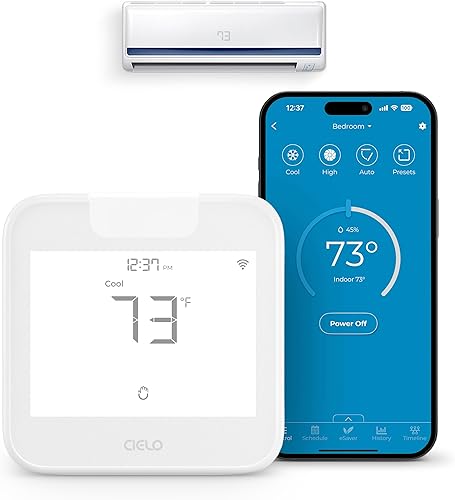 |  | 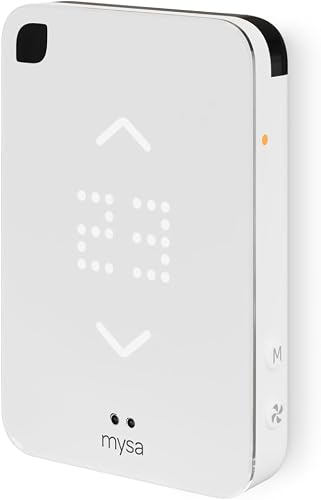 |  |  |  |  |  |  |  |
|---|---|---|---|---|---|---|---|---|---|---|
| Product | Breez Max Smart Controller | Sensibo Air Controller | Mysa Smart Controller | Sensibo Sky Controller | Breez Lite Controller | MrCool Smart Controller | WOOX Smart Controller | Boldr Klima Controller | Breez Eco Controller | Flair Puck 2 |
| Brand | Cielo Breez | Sensibo | Mysa | Sensibo | Cielo Breez | MRCOOL COMFORT MADE SIMPLE | WOOX | BOLDR | Cielo Breez | Flair |
| Best for | Best Overall | Best for Geofencing | Best for Heat Pumps | Best for DIY Setup | Best for Minimalists | Best for Ductless Systems | Best for Visual Data | Best for Energy Tracking | Best for Energy Management | Best for Home Balancing |
| The listing says | Connects to 2.4 GHz Wi-Fi network Compatible with IR remote controlled units | Setup via WiFi or Bluetooth Remote control via smartphone app | Works with mini-split heat pumps and AC Monitor and adjust via free app | Controls remote-enabled AC units Connects via WiFi for app control | Control ductless AC from anywhere Compatible with 20,000+ AC models | DIY installation WiFi enabled | WiFi IR blaster for remote ACs Works with 300+ brands and 10,000+ models | Automates temperature based on schedule Remote control via mobile app | Works with IR remote controlled ACs Built-in temperature and humidity sensing | Balances comfort with Flair Smart Vents Controls 200+ ductless AC brands |
| More information | Check Latest Price on Amazon | Check Latest Price on Amazon | Check Latest Price on Amazon | Check Latest Price on Amazon | Check Latest Price on Amazon | Check Latest Price on Amazon | Check Latest Price on Amazon | Check Latest Price on Amazon | Check Latest Price on Amazon | Check Latest Price on Amazon |
1. Breez Max Smart Controller
Best for: Multi-zone mini-split system owners.
The Breez Max Smart Controller stands out for its high-level control features, including a unique ability to synchronize multiple units to avoid mode conflicts. The listing doesn’t mention the specific behavior of systems without this controller. To stop these conflicts, pair one controller with each indoor unit to force them into the same mode or shut others down.
While it’s feature-rich, you must place the device within 6-12 feet and in the direct line of sight of your air conditioner. If the touch buttons fail to respond, don’t assume the unit is broken; simply press the temperature up and down buttons simultaneously to unlock the interface.
The device includes built-in temperature and humidity sensors that you can calibrate through the app for better accuracy. If your specific unit doesn’t work immediately upon setup, contact Cielo Customer Support to establish compatibility. The system supports over 20,000 models, but always verify your AC has an IR remote control before installation.
Pros
- Award-winning smart thermostat design.
- Prevents mode conflicts in multi-zone setups.
- Calibratable temperature and humidity sensors.
Cons
- Requires line-of-sight to the AC.
- May require support for specific setups.
2. Sensibo Air Smart Air Conditioner Controller
Best for: Users wanting advanced climate balancing.
The Sensibo Air Controller focuses on creating a “real feel” temperature by combining indoor data with outdoor weather reports. This dual-sensing approach is helpful for maintaining comfort without constant manual adjustments to your remote. The device is designed for a quick setup, allowing you to connect via WiFi without needing any specialized tools. Simply plug it in, link to your network, and launch the app.
The listing doesn’t mention universal compatibility with every single remote-controlled heat pump and air conditioner. Unlike the simpler Sensibo Sky, this model includes specific climate zone technology. It’s better suited for users who want the device to do the heavy lifting regarding climate regulation. If your unit relies on a standard infrared remote, this device will bridge the gap to smart functionality.
However, remember that the system relies on stable connectivity to function at its peak. If your WiFi signal is weak in the room where the AC is located, the app-based remote control and Climate React features may lag. Always place the device within clear line-of-sight of the unit’s receiver to ensure the infrared signals transmit correctly.
Pros
- Advanced climate zone technology.
- Easy WiFi and Bluetooth setup.
- Compatible with most remote-controlled systems.
Cons
- Performance depends on sensor placement.
- Some features require active internet.
3. Mysa Smart Controller
Best for: Dedicated mini-split heat pump users.
The Mysa Smart Controller provides a premium, user-friendly experience with a focus on free, subscription-free app control. It’s designed specifically for mini-split heat pumps and includes a wall-mount design that looks more like a traditional thermostat than a standard IR blaster. This is a great choice for those who want a permanent, clean look on their wall.
If you have a combined 2.4 and 5 GHz network or a MESH Wi-Fi system, the unit is engineered to maintain a stable connection. You should prioritize this device if you want to automate your climate using Geofencing or in-app scheduling to lower your monthly electricity bill. Before purchasing, contact the company to check your eligibility for a smart thermostat rebate from your local utility provider.
The unit integrates well with HomeKit, Alexa, and Google Home for voice control. However, it’s strictly for mini-split systems. If you need to control portable or window AC units, this hardware won’t work for your setup.
Pros
- No subscription fees for app features.
- Includes dedicated wall mount hardware.
- Strong support for mesh WiFi networks.
Cons
- Limited to mini-split heat pumps.
- Requires wall mounting for best results.
4. Sensibo Sky Controller
Best for: Quick, hassle-free DIY installation.
The Sensibo Sky is a compact, lightweight controller that prioritizes ease of installation for those who want to get up and running quickly. It’s an effective option for turning any remote-controlled unit into a smart one, with the added benefit of being compatible with a wide range of voice assistants like Siri and Alexa.
The device uses a 7-day scheduler and geofencing to help reduce energy bills. Compared to the more advanced Sensibo Air, the Sky version doesn’t support Bluetooth. You must ensure your WiFi signal is strong at the installation point before mounting the 3.2” x 2.2” x 0.8” unit. If your router is behind thick walls, you may face connectivity drops that prevent the Climate React feature from maintaining your preferred humidity and temperature. This makes it a great entry-level choice for standard installations where complex multi-zone logic isn’t required.
Pros
- Very small and lightweight design.
- Simple DIY plug-and-play setup.
- Compatible with major voice assistants.
Cons
- Doesn’t support Bluetooth connectivity.
- Lacks advanced multi-room sensing features.
- Requires a stable WiFi connection for all smart features to function reliably.
5. Breez Lite Controller
Best for: Minimalist room aesthetics.
The Breez Lite Controller is designed to be non-intrusive, making it ideal for rooms where you don’t want a large device on the wall. Despite its small size, it includes powerful features like Comfy Mode and geofencing, which are surprisingly robust for such a compact unit. It’s compatible with over 20,000 ductless mini-split, window, or portable AC and heat pump models. The device automatically detects your existing remote during setup, allowing for configuration in under a minute without any tools.
To ensure the signal reaches your unit, place the controller within 6 to 12 feet of the air conditioner. You must maintain a clear line of sight between the two devices for reliable operation. If you find the controller isn’t responding, check that no furniture or decor is obstructing the infrared path.
If you value customer support, the manufacturer guarantees access to real people for assistance. You can reach the support team via email or phone between 9am and 9pm EST, Monday through Friday. While it’s very capable, it lacks some of the premium physical interface buttons found on the larger Breez Max model.
Pros
- Sleek and compact design.
- Easy automatic remote detection.
- No monthly subscription fees.
Cons
- Smaller design limits on-device controls.
- Requires clear line of sight.
6. MrCool Smart HVAC Controller Enhanced WiFi Kit
Best for: MrCool ductless split system owners.
The MrCool Smart Controller is a straightforward solution for those already using MrCool ductless equipment. It’s designed for DIY installation, which simplifies the process of making your existing system WiFi-enabled. It’s built to integrate directly with smart home systems, allowing for voice control once set up.
If you own a single-brand household, this kit provides a seamless, brand-matched smart upgrade. However, if you manage a mix of different air conditioner brands, this controller lacks the universal IR learning features found in competitors like Breez or Sensibo. You should choose this model only if your hardware is exclusively MrCool. Attempting to force compatibility with other brands will result in a non-functional setup.
This controller is specific to the MrCool line, meaning it prioritizes native performance over broad equipment support.
Pros
- Designed for easy DIY installation.
- Seamless integration with MrCool systems.
- WiFi enabled for remote control.
Cons
- Primarily for MrCool brand units.
- Lacks universal IR learning features.
7. WOOX Smart AC Controller
Best for: Visual temperature and humidity monitoring.
The WOOX Smart Controller features an LED display showing current room temperature and humidity directly on the device. This allows you to check your room’s status at a glance without opening the app. You can set automatic rules based on these sensor readings to avoid over-cooling and cut wasted energy.
The device connects via 2.4GHz WiFi and requires no hub. If your AC brand isn’t in the database of 10,000+ supported models, the built-in IR learning copies your original remote in about 30 seconds. Because it acts as an IR blaster, it must have a clear line-of-sight to the AC receiver. It won’t work for central HVAC, ducted, or wired systems.
When setting up, ensure your network is 2.4GHz, as 5GHz connections aren’t supported. If your AC fails to respond, verify the device is positioned with an unobstructed path to the unit’s receiver. You can then use geofencing to pre-cool your home or program a 7-day schedule by hour.
Pros
- Clear LED temperature and humidity display.
- Includes manual IR learning functionality.
- No hub required for setup.
Cons
- Line-of-sight is strictly required.
- Only supports 2.4 GHz WiFi.
8. Boldr Klima Smart Thermostat
Best for: Users who want detailed energy tracking.
The Boldr Klima Controller is built with a focus on energy efficiency and tracking your usage. It presents your energy data in the app, which helps you see the actual impact of your scheduling and automation settings. The aluminum silver finish gives it a slightly more premium look than the standard white plastic controllers.
It’s highly compatible with window units, mini-splits, and heat pumps. If you’re focused on lowering your monthly electricity bill, the detailed insights provided by this app make it a strong contender. Use the app to set custom weekly schedules that align with your location, ensuring your home reaches the perfect temperature exactly when you arrive.
Note that it requires a standard power outlet, so you’ll need to plan for cable management near your unit. If you prefer voice control, pair the device with Amazon Alexa or Google Assistant to adjust settings without moving. You should check that your A/C unit is within range of the controller’s signal to ensure reliable remote adjustments.
Pros
- Premium aluminum silver finish.
- Works with window and mini-split units.
Cons
- Requires proximity to a power outlet.
- App usage is mandatory for full features.
9. Breez Eco Controller
Best for: Comprehensive energy management.
The Breez Eco Controller is a feature-rich entry point into smart climate control. It includes a local power button, which is a helpful backup to have if your WiFi ever goes down. It offers advanced features like geofencing and air filter status monitoring.
For optimal performance, place the unit within 6 to 12 feet of your air conditioner. It must remain in the direct line of sight to ensure the IR signal reaches your unit reliably. If your AC fails to respond, check this distance first before troubleshooting your network settings.
The device comes with a table stand, providing you with flexible mounting options compared to wall-only units. If you want to keep track of your energy savings, the Cielo Home app provides a complete timeline of actions and usage history. Use these weekly or monthly reports to adjust your schedules and reach your specific saving goals. It’s a very balanced option that covers all the essential smart features.
Pros
- Includes a local power button.
- Versatile mounting (wall or desk).
- Monitor air filter status via app.
Cons
- Basic design compared to premium models.
- Relies on stable WiFi for remote features.
10. Flair Puck 2 Temperature Sensor & Thermostat
Best for: Complex whole-home climate balancing.
The Flair Puck 2 is designed for those who want to balance temperatures across an entire home. It uses a proprietary hvacOS to manage comfort, and it can even work with smart vents to fix hot and cold spots in rooms. This is an advanced system that goes beyond simple remote control.
You can use it wirelessly with battery power for up to one year, or plug it in for continuous operation. While it’s compatible with over 200 brands of mini-splits, its true strength lies in its ability to integrate with central HVAC thermostats like Nest or Ecobee.
Pros
- Balances temperatures across multiple rooms.
- Works with smart vent systems.
- Can run on battery power.
Cons
- Requires a bridge for advanced setups.
- More complex to configure than simple controllers.
How to Choose the Best Smart Mini Split Thermostat
Connectivity Requirements
Before you purchase, check your home’s WiFi frequency. Most smart controllers, including the Breez Max Smart Controller, operate exclusively on 2.4 GHz networks. While some newer mesh systems handle multiple frequency bands automatically, a dedicated lower-frequency signal is more reliable for these devices. If your router is hidden in a closet, ensure the signal reaches the room where your AC is installed. Also, verify if the device needs a clear line-of-sight to your AC unit’s IR receiver. If you can’t place the controller directly in front of the AC, you may face connection issues.
Smart Home Ecosystem
Think about which voice assistant you use most often. Most controllers here work with Alexa and Google Home, but if you’re an Apple user, you need to confirm HomeKit support specifically. Devices like the Mysa Smart Controller offer native HomeKit integration, which simplifies automations in the Apple ecosystem. Always check if the controller supports your preferred platform to avoid frustration later. You should also consider if you want a subscription-free experience; many brands, like Cielo and Mysa, advertise no monthly fees, which is a major benefit for long-term ownership.
Advanced Automation Needs
Decide if you want basic scheduling or advanced climate balancing. If you have a single room, a simple IR blaster like the Sensibo Sky Controller is enough. However, if you have multiple zones or want to balance temperatures between rooms, look for controllers with “Climate React” or “Comfy Mode” features. These use humidity and temperature sensors to adjust your AC automatically. For whole-home systems, Flair Puck 2 is the best choice because it can coordinate with other smart home devices to keep every room at a consistent temperature.
Frequently Asked Questions
Do these controllers work with all mini-split brands?
Most of these controllers are universal IR blasters that simulate signals from your original remote. Brands like Cielo, Sensibo, and WOOX support thousands of models from major manufacturers. Note that they are not compatible with hardwired systems or central HVAC units lacking an IR remote.
Can I install these controllers myself?
Yes, all featured products are designed for straightforward DIY installation. They require no tools beyond the included mounting hardware and plug into a standard wall outlet. Simply download the manufacturer’s app, connect to WiFi, and follow the on-screen instructions to pair the device with your air conditioner.
Do I need a subscription to use these smart features?
Most manufacturers listed here, including Cielo, Sensibo, and Mysa, do not charge a monthly subscription fee for core smart features. You receive full access to scheduling, geofencing, and remote control via the app with your initial purchase. Always verify specific listing details to confirm no hidden fees apply.
What happens if my WiFi connection drops?
If your WiFi goes down, you lose smartphone and voice assistant control, though your AC will still function via its original remote. Most controllers include an on-device power button for manual operation. Some models even store weekly schedules locally, allowing your pre-set routines to continue during an internet outage.
Closing
Selecting the right smart controller depends on your specific hardware and your desire for automation. The Breez Max Smart Controller stands out as the best overall choice due to its advanced multi-zone capabilities and reliable app interface. For those who want the most sophisticated climate balancing technology, the Sensibo Air Controller remains a top-tier pick.
Before making your final selection, double-check your current AC remote to ensure it’s an IR-controlled device. These controllers rely on line-of-sight to function; if your unit is tucked into a corner, you must place the controller within 6-12 feet of the receiver to ensure the signal reaches it.
Verify your router output as well. Most of these devices require a standard home WiFi network to operate. If you attempt to pair them with a high-speed, short-range network, the setup will fail. Once installed, take a few minutes to calibrate the internal sensors within the app. This step is vital for accurate readings, as it ensures the device understands the specific environmental conditions of your room.